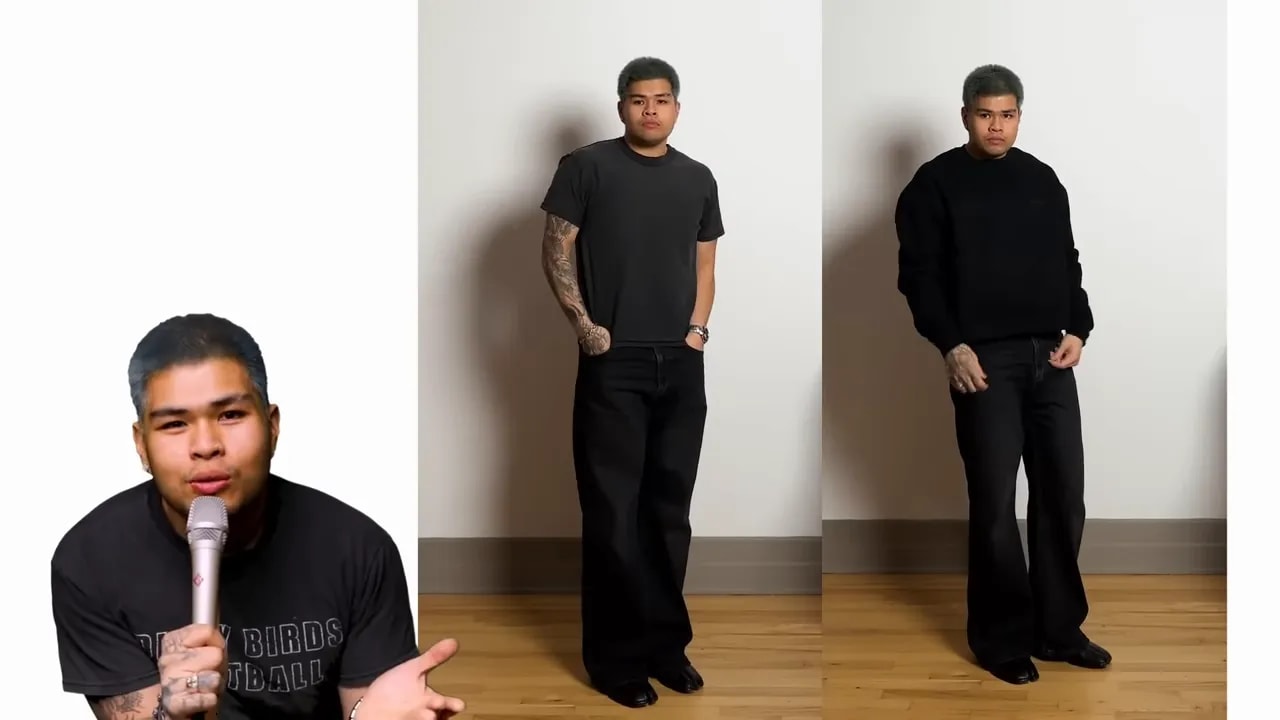

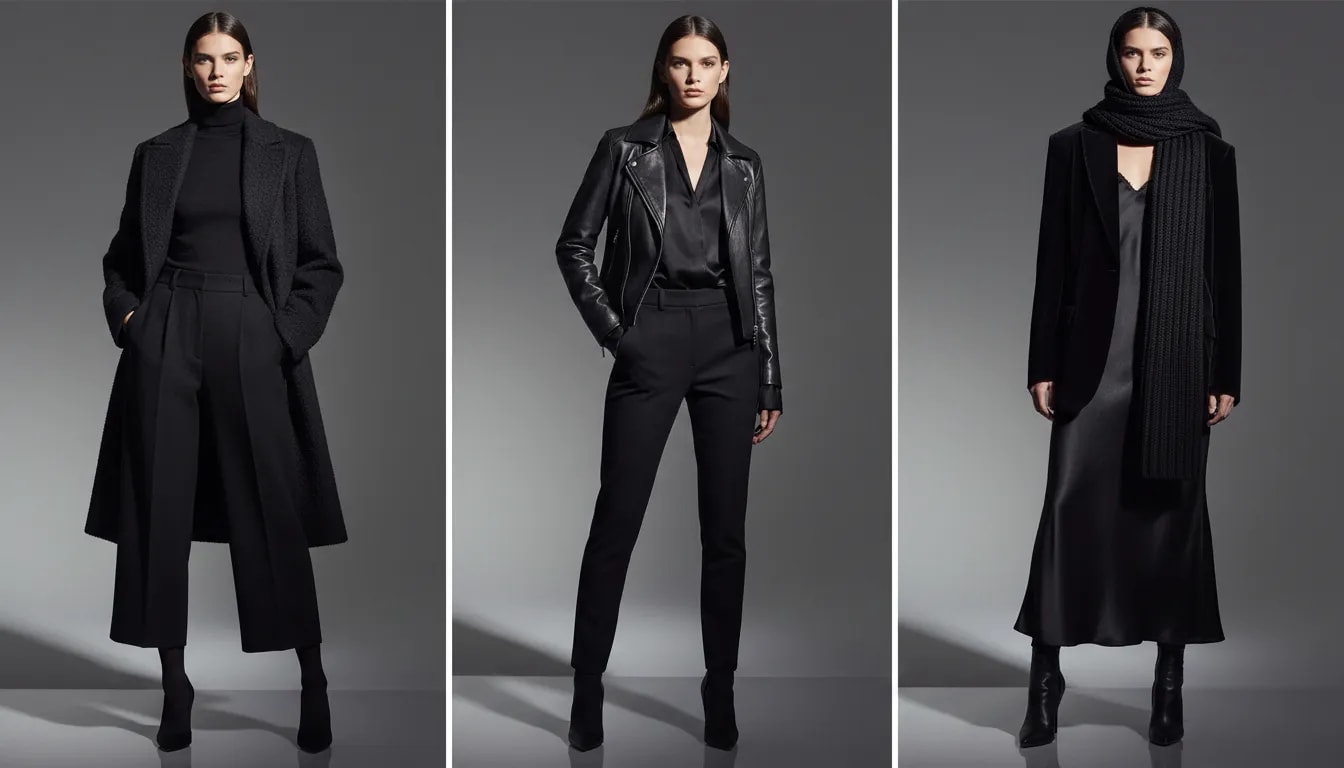
Wearing all black is one of the easiest ways to build a versatile wardrobe. Yet many outfits that are technically “all black” still look flat, generic, or uninspired. The difference between a basic black look and a sharp, deliberate all-black outfit comes down to three things: tonal variation, texture contrast, and proportions. This guide breaks down practical steps you can apply immediately to make black outfits look purposeful, flattering, and interesting.
Table of Contents
- Why all black can look off (and why it works when done right)
- Quick, proven all-black outfit formulas
- Accessories and finishing touches
- Common mistakes and how to avoid them
- How to shop for an all-black wardrobe
- Checklist: Make any all-black outfit look intentional
- People also ask
- Final takeaway (TL;DR)
Affiliate Disclosure: Some articles on this site contain affiliate links. This means that if you choose to make a purchase through certain links, Grim Aesthetic may earn a small commission at no additional cost to you. We only reference products, books, or tools that align with our aesthetic philosophy and values. Commissions support the continued creation of thoughtful, independent content. Thank you for supporting intentional work.
Why all black can look off (and why it works when done right)
Black is visually forgiving and easy to coordinate, which makes it a go-to. The problem arises when every piece in the outfit is the same shade and material. Without variation, the outfit becomes one flat plane where silhouette, fabric, and details disappear. The goal is not to add color but to create depth and focus so that black reads as intentional, not lazy.
Three levers you can control to make an all-black outfit work:
- Tones — mix different blacks and near-blacks to create subtle contrast.
- Textures — pair matte, shiny, rough and smooth fabrics to let light define shapes.
- Fit and proportions — use silhouette contrast to direct the eye and flatter your body.
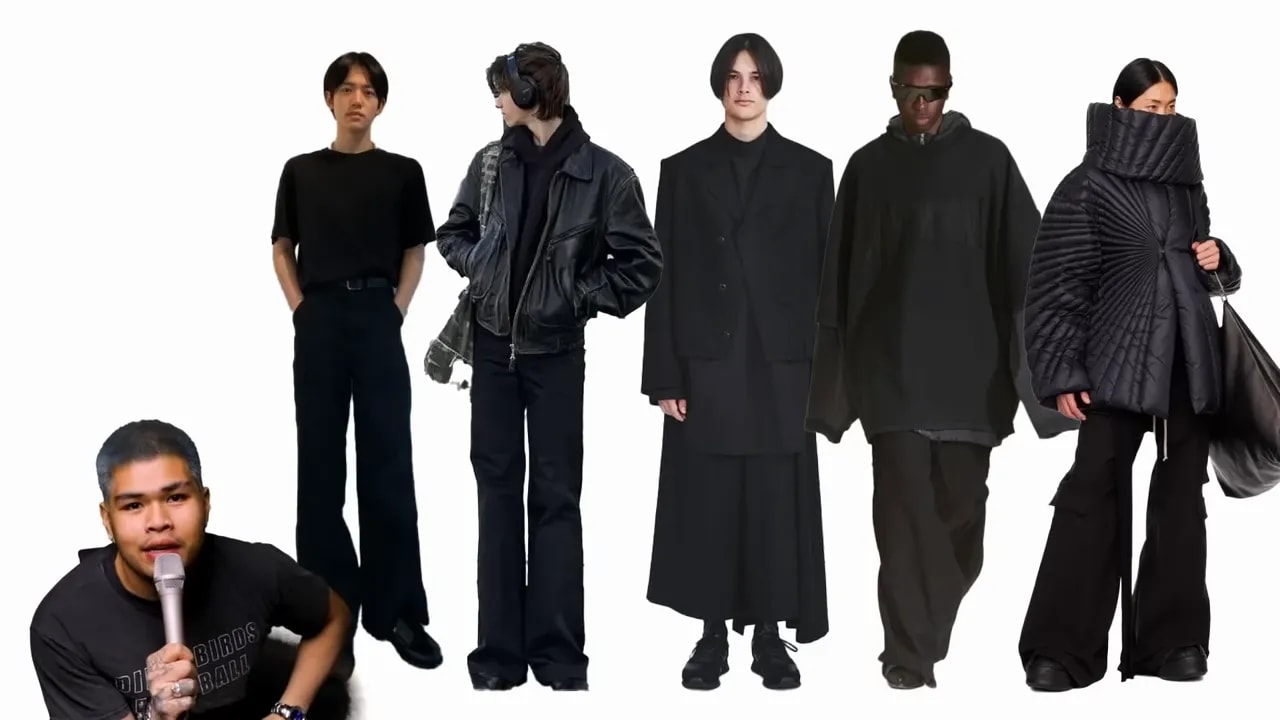
1. Use tonal variation: the simplest upgrade
Tonal variation means combining different shades and finishes of black and charcoal instead of matching a single uniform black head-to-toe. This is the easiest change and often the quickest to fix.
Simple tonal swaps that make a big difference
- Jet black top + faded black jeans: a slightly worn pair of jeans shows depth against a newer, darker tee.
- Charcoal knit + true black coat: charcoal reads softer and prevents a flat block of black across your torso.
- Black with subtle prints or washes: vintage wash or a garment-dyed black adds natural variation without introducing color.
Why this works: human vision notices differences in shade more than it notices identical values. Small shifts in tone create separations between layers so each piece reads as intentional.
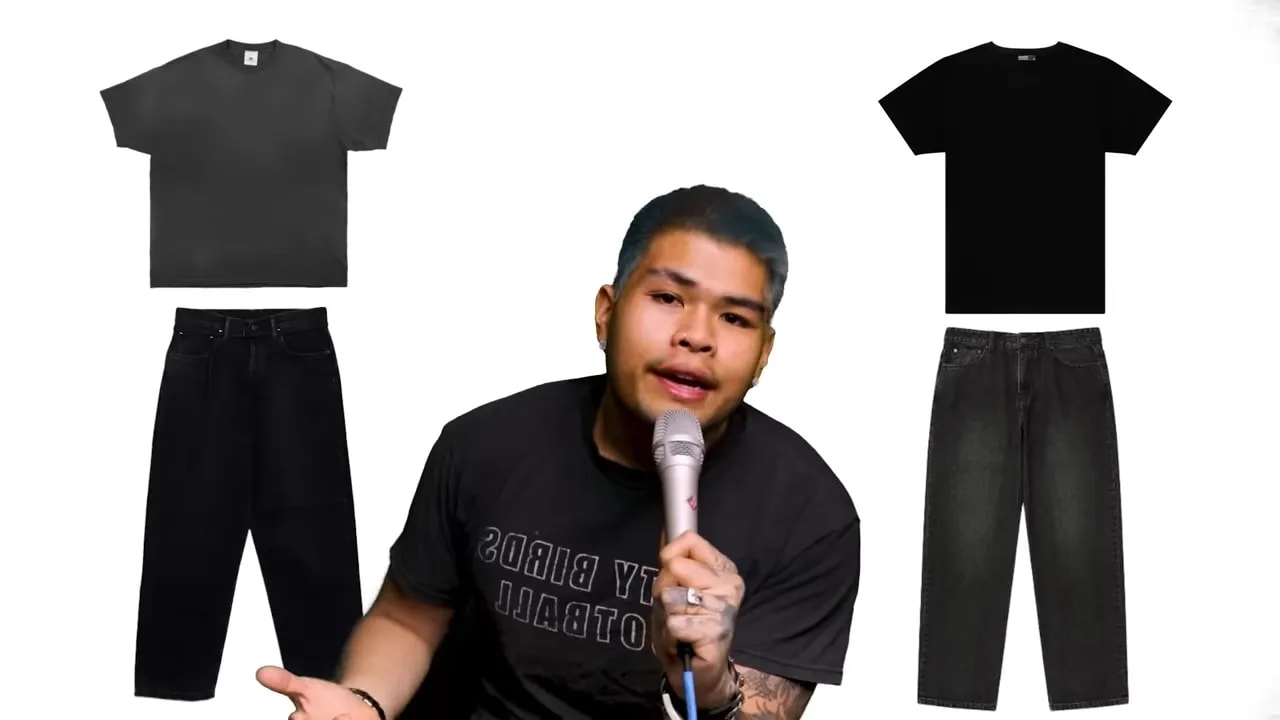
2. Use texture to create visual depth
Texture tells your eyes where to look. When everything is the same flat fabric, light won’t interact with the outfit and everything blends together. Different textures reflect light differently, producing depth even when everything is black.
Everyday texture pairings that work
- Leather + denim: leather’s sheen contrasts with matte denim. Try boots peeking under slightly wider jeans for a subtle effect.
- Nylon bomber + cotton tee: nylon reflects light and creates a focal point on the upper body while keeping the palette monochrome.
- Wool coat + ribbed knit: heavier, structured outerwear with softer knitwear underneath creates layered interest.
- Suedes and brushed cotton: these have a tactile, muted finish that pairs well with glossier leather or nylon elements.
How to choose textures in practice:
- Identify one piece with a distinct finish (glossy, matte, textured). This becomes the anchor.
- Pair it with at least one contrasting finish. If the anchor is glossy leather, use matte cotton or brushed wool elsewhere.
- Keep accessories minimal but consider metallic hardware or a structured bag to introduce small, catching points of light.
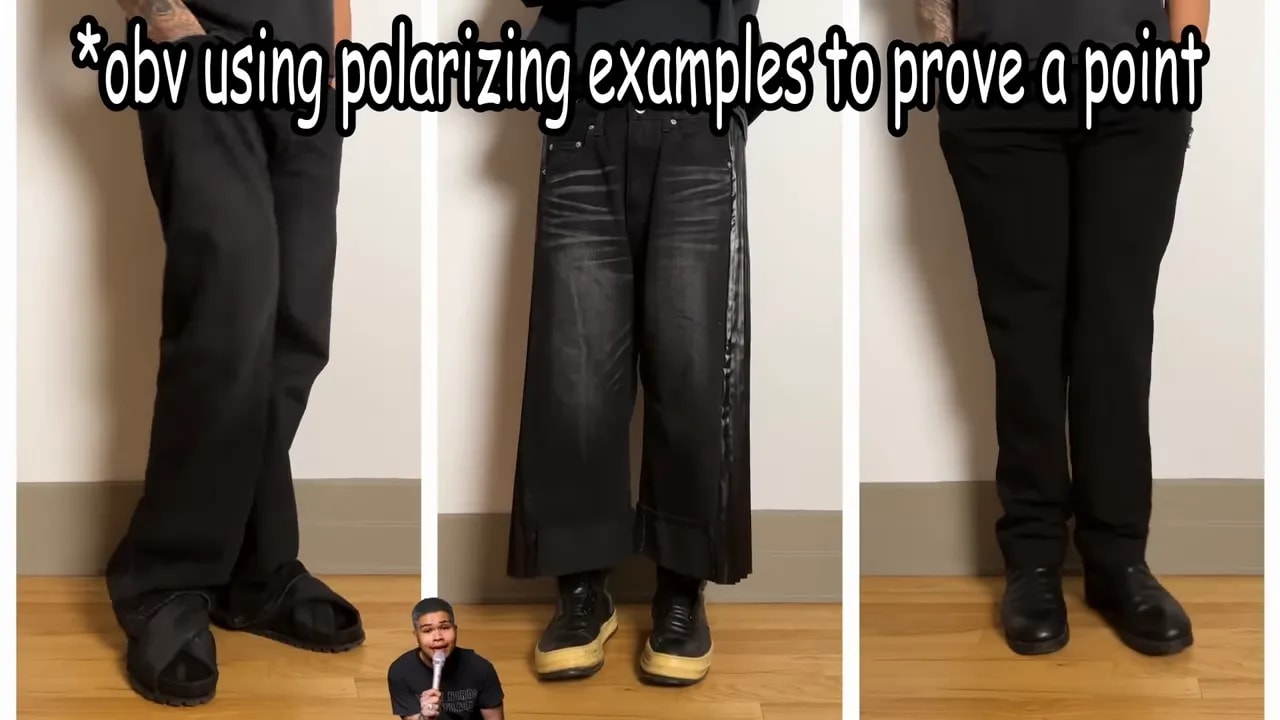
3. Fit and proportions: the most important element
Fit controls silhouette. In an all-black outfit, the face becomes the main point of color, so your body shape and silhouette have to do most of the communicative work. Proper proportions make a look feel intentional and flattering.
Proportion rules that consistently work
- Fitted top + relaxed bottom: a trim or semi-fitted shirt with looser trousers creates contrast and balance.
- Relaxed top + tapered bottom: oversized jackets or shirts with slimmer pants counterbalance bulk and keep the outfit structured.
- Defined waist: a belt or a tucked hem can create separation between top and bottom when everything else is black.
- Layer lengths: ensure outer layers do not all end at the same point. Short jacket over a longer tee yields visual interest.
Practical fitting checklist:
- Measure a favorite top and bottom and save the numbers for accurate online shopping.
- Try garments on with the shoes and underlayers you plan to wear them with; silhouette changes with footwear and layering.
- Use small tweaks — cuffing pants, half-tucking shirts, rolling sleeves — to adjust proportions without buying new clothes.
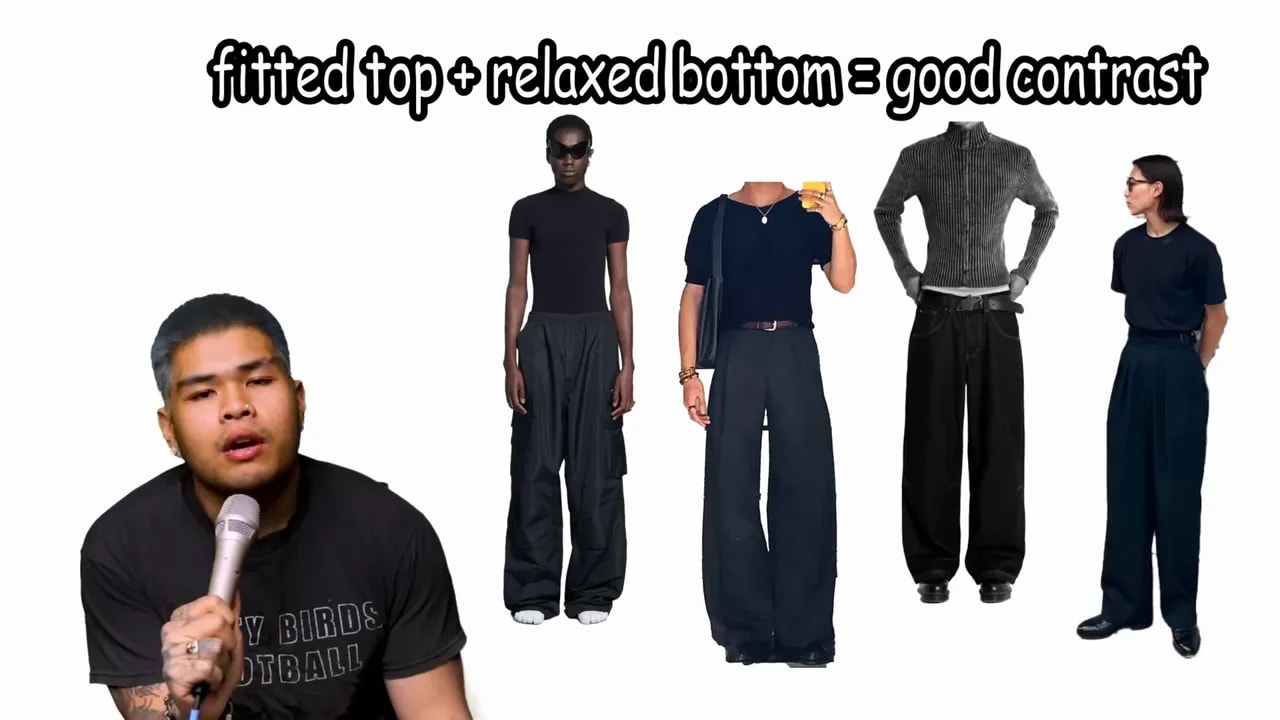
Quick, proven all-black outfit formulas
Use these ready-made combinations as templates to build outfits that look cohesive and elevated.
Formula 1: Urban minimalist
- Black fitted tee
- Matte black slim jeans (slight whisker or faded black)
- Black leather Chelsea boots
- Light wool overcoat in charcoal for outerwear
Formula 2: Streetwear balance
- Black oversized hoodie
- Relaxed black cargo pants or wide-leg trousers
- Shiny nylon bomber or puffer jacket
- Chunky black sneakers or leather combat boots peeking under the hem
Formula 3: Smart casual
- Black button-up or mock-neck knit
- Black tailored trousers with a slight taper
- Textured black blazer (wool or brushed cotton)
- Minimal black leather loafers or derby shoes
Accessories and finishing touches
Accessories can be small but decisive. When the color palette is restricted, details are amplified.
- Belts: use a belt to define waist and break up a long block of black.
- Watches and jewelry: matte metal or blacked hardware keep the monochrome aesthetic but add texture.
- Shoes: alternate materials like suede, leather, or rubberized finishes to ground the look.
- Eyewear and grooming: glasses, a neat haircut, or a trimmed beard are more visible against an all-black outfit and contribute heavily to the overall impression.
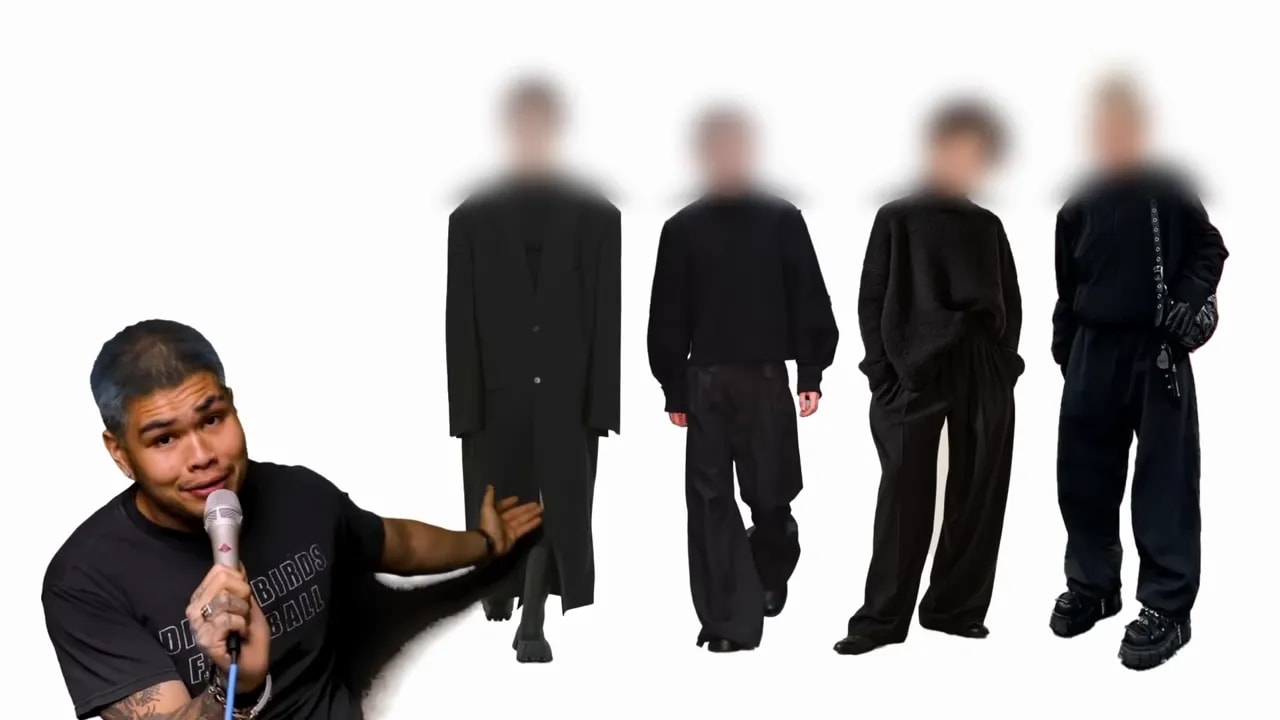
Common mistakes and how to avoid them
These are the pitfalls that make all-black outfits look unintentional or sloppy.
Pitfall 1: Wearing identical pieces
If every piece is the same exact shade and fabric, the outfit flattens. Solution: introduce one tonal or textural contrast piece.
Pitfall 2: Ignoring fit
Too baggy or too tight across the board loses shape. Solution: aim for balanced contrast—if your top is oversized, keep bottoms more fitted, and vice versa.
Pitfall 3: Over-accessorizing with color
Small pops of color can work, but they should be deliberate. Avoid random bright accessories that distract from the monochrome intent.
Pitfall 4: Neglecting maintenance
Black fades unevenly if garments are not cared for. Solution: wash darks inside out, use detergent for dark colors, and rotate items to avoid rapid fading on single pieces.
How to shop for an all-black wardrobe
Building a cohesive all-black wardrobe is easier when you buy deliberately.
- Start with staples: fitted tees, a good pair of black jeans, a wool coat, and a leather boot are foundation pieces.
- Buy different finishes: include matte, semi-gloss, suede, and nylon pieces to mix textures.
- Get measured: record key measurements for tops and bottoms and keep them saved for online shopping.
- Test in natural light: try garments in daylight to see how shades and finishes interact.
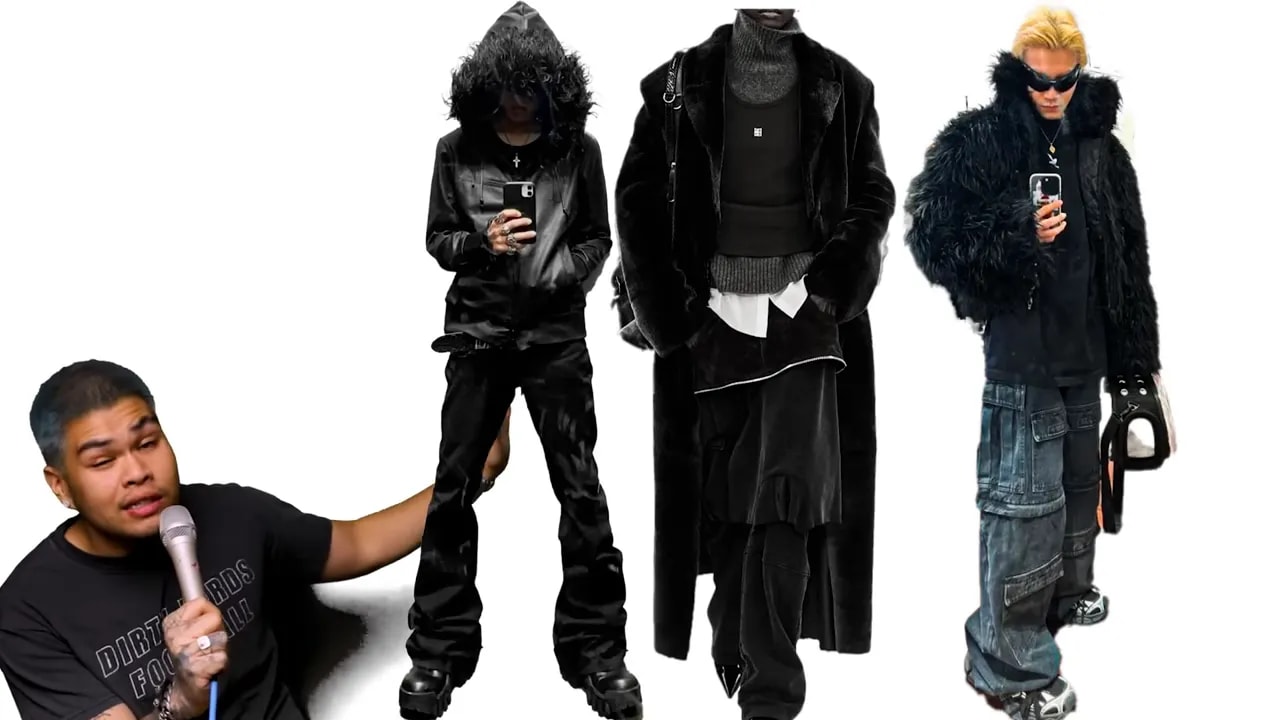
Checklist: Make any all-black outfit look intentional
- Tone check: Do you have at least one subtle tonal or washed element?
- Texture check: Are there at least two different fabric finishes?
- Proportion check: Is there contrast between top and bottom fits?
- Detail check: Are accessories, grooming, and shoes clean and purposeful?
People also ask
How can I make black clothes look less flat?
Mix shades like charcoal, faded black, and true black. Add texture contrasts such as leather, wool, and nylon to create depth. Finally, use proportion—like a fitted top with relaxed pants—to define your silhouette.
Is all black slimming?
Black tends to reduce visual contrast and can create a slimming effect, but fit and proportion matter more. A well-fitted outfit with strategic contrast will be more flattering than oversized or shapeless black clothing.
Can I wear shiny and matte black together?
Yes. Combining matte and shiny black is a reliable way to create interest while staying monochrome. Shiny elements reflect light and draw the eye, while matte elements anchor the shape.
What shoes work best with all-black outfits?
Black leather boots, black suede sneakers, and blacked-out minimalist sneakers all work well. Choose the shoe based on the outfit’s overall texture and proportion. For a relaxed bottom, let boots peek through; for tapered pants, opt for sleek sneakers or loafers.
Final takeaway (TL;DR)
All-black outfits are powerful because they simplify decisions and create a cohesive look. To stop looking like you just threw on matching pieces, focus on three things: add tonal variation, mix textures, and dial in proportions. Small, deliberate changes turn a basic black outfit into a considered one. Use the checklists and formulas above to start building combinations that fit your style and body. Once you master these fundamentals, all-black becomes a strong personal aesthetic, not a shortcut that hides poor planning.
If you make just one change today, measure your favorite garments and keep those numbers handy for future purchases. That single habit alone will improve the way every outfit fits and looks.