

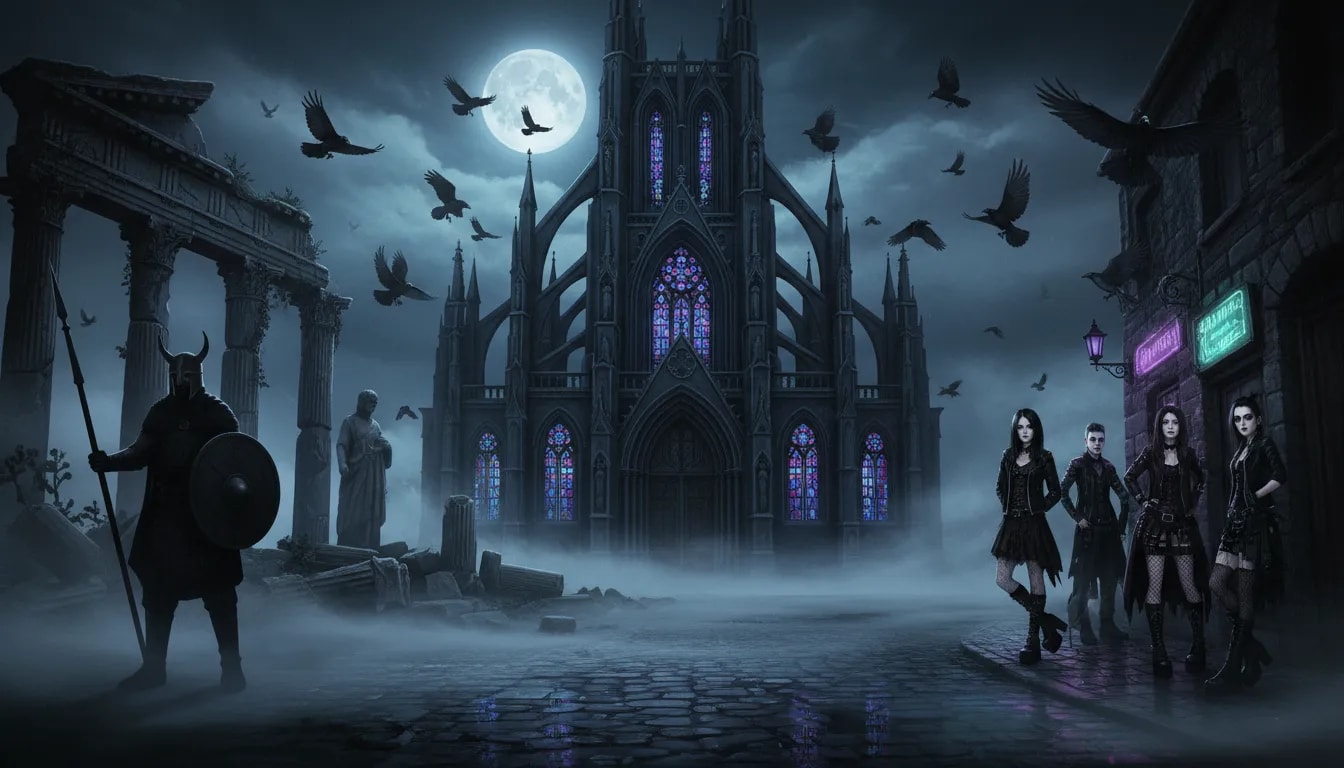
The word goth or Gothic appears in history books, architecture guides, literary studies, and on club flyers. How did a single term come to describe an East Germanic people, soaring medieval cathedrals, a dark strand of fiction, and a global subculture with its own music and fashion? This article traces the term’s evolution, clears up common confusions, and offers practical pointers for exploring Gothic heritage and contemporary goth culture.
Table of Contents
- What “Goth” originally referred to
- How “Gothic” came to describe medieval art and architecture
- Why Renaissance critics called it Gothic
- Gothic as a literary genre
- From literature to fashion and subculture
- The evolution of meaning in one timeline
- Common misconceptions and clarifications
- How to explore Gothic history and contemporary goth culture responsibly
- Practical reading and listening starter lists
- Pitfalls and things to watch out for
- How the word “Gothic” reflects cultural recycling
- Summary and key takeaways
- Frequently asked questions
- Further reading and next steps
Affiliate Disclosure: Some articles on this site contain affiliate links. This means that if you choose to make a purchase through certain links, Grim Aesthetic may earn a small commission at no additional cost to you. We only reference products, books, or tools that align with our aesthetic philosophy and values. Commissions support the continued creation of thoughtful, independent content. Thank you for supporting intentional work.
What “Goth” originally referred to
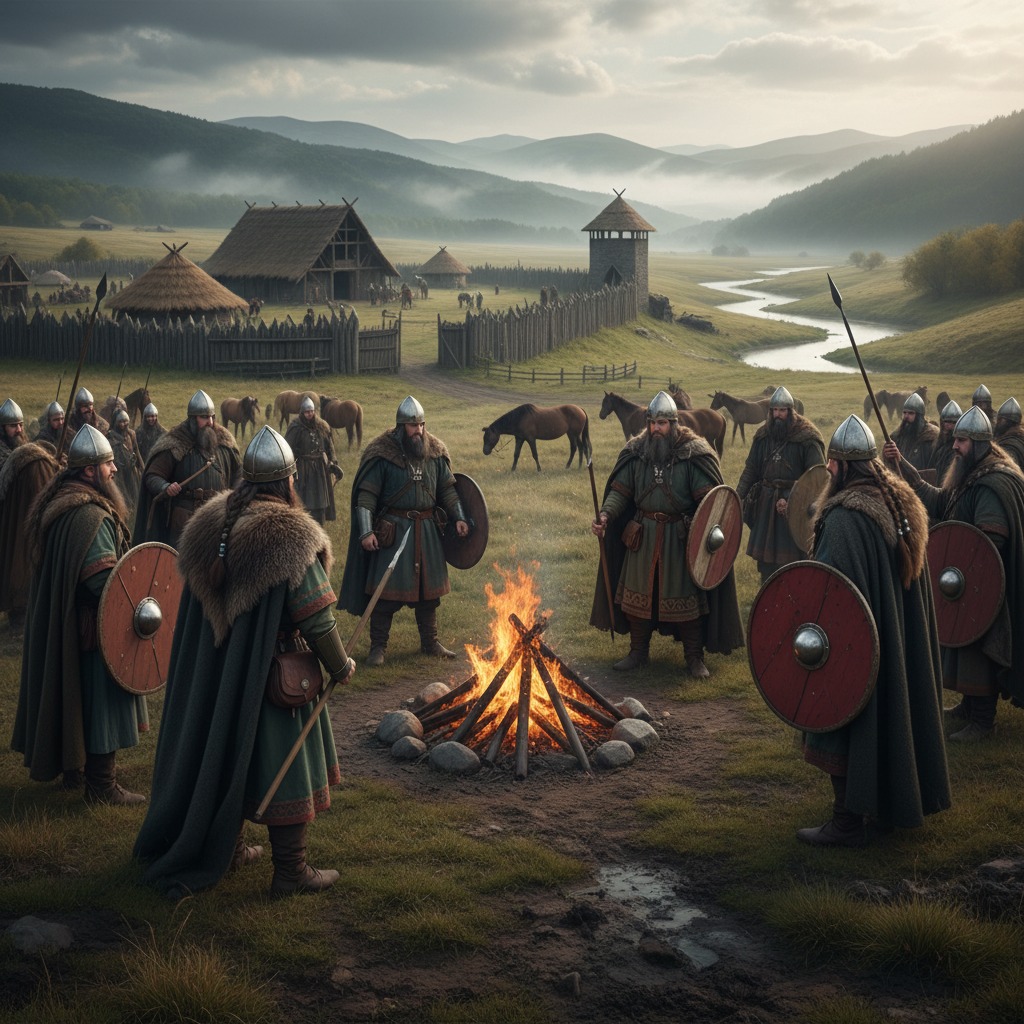
The earliest recorded use of a form of the word refers to a group of East Germanic peoples known as the Goths. Active from late antiquity into the early medieval period, the Goths were organized in tribal confederations commonly labeled as the Visigoths and the Ostrogoths. Over several centuries they interacted with the Roman Empire as enemies, allies, federates, and rulers in parts of Europe.
Important to note: the modern usage of Goth or Gothic is not a direct continuation of those tribes. Instead, the name persisted in Latin and Romance-language histories and later became repurposed in cultural debates and art history.
How “Gothic” came to describe medieval art and architecture
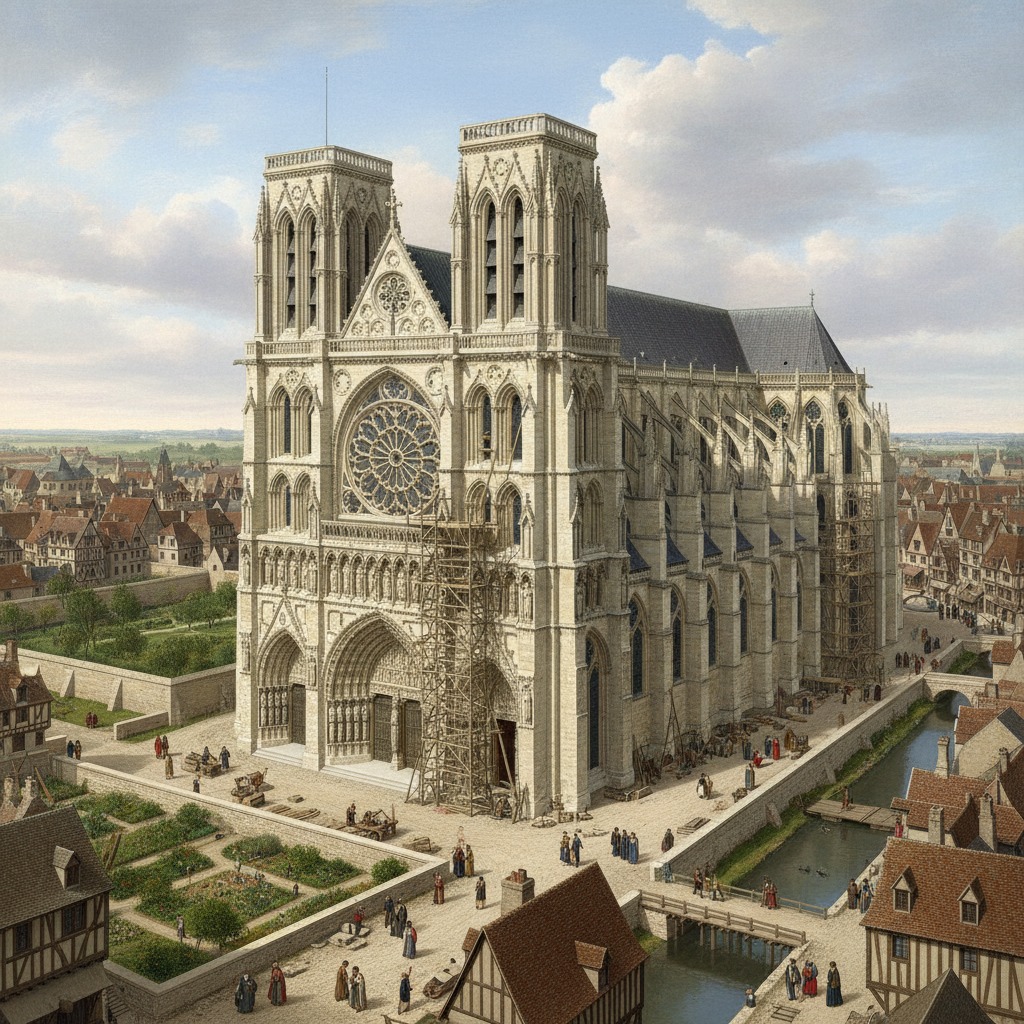
By the High Middle Ages, a recognizable style of church building and sculpture had emerged across Western Europe. Pointed arches, ribbed vaults, flying buttresses, and tall stained-glass windows created interiors that were lighter, higher, and more vertical than Romanesque predecessors.
- Origins – Structural innovations during the 12th and 13th centuries allowed cathedrals to reach new heights and admit more light. The Abbey of Saint Denis near Paris is a key early example.
- Spread – Gothic architecture spread across Europe and influenced church façades, windows, sculpture, and urban civic buildings.
- Visual goal – The aesthetic prioritized height, ornament, and symbolic light rather than classical proportions and realism.
Why Renaissance critics called it Gothic
During the Italian Renaissance, artists and thinkers rediscovered classical antiquity and promoted its ideals as the peak of artistic achievement. Renaissance critics considered the intervening medieval styles inferior and lacking the balance of classical art. The term Gothic was applied pejoratively as a reference to the Goths, who Renaissance intellectuals associated with barbarism and the fall of Rome.
The label stuck. From that point, Gothic came to mean “medieval” in many cultural conversations and carried connotations of being crude, obscure, or backwards compared with classical learning.
Gothic as a literary genre
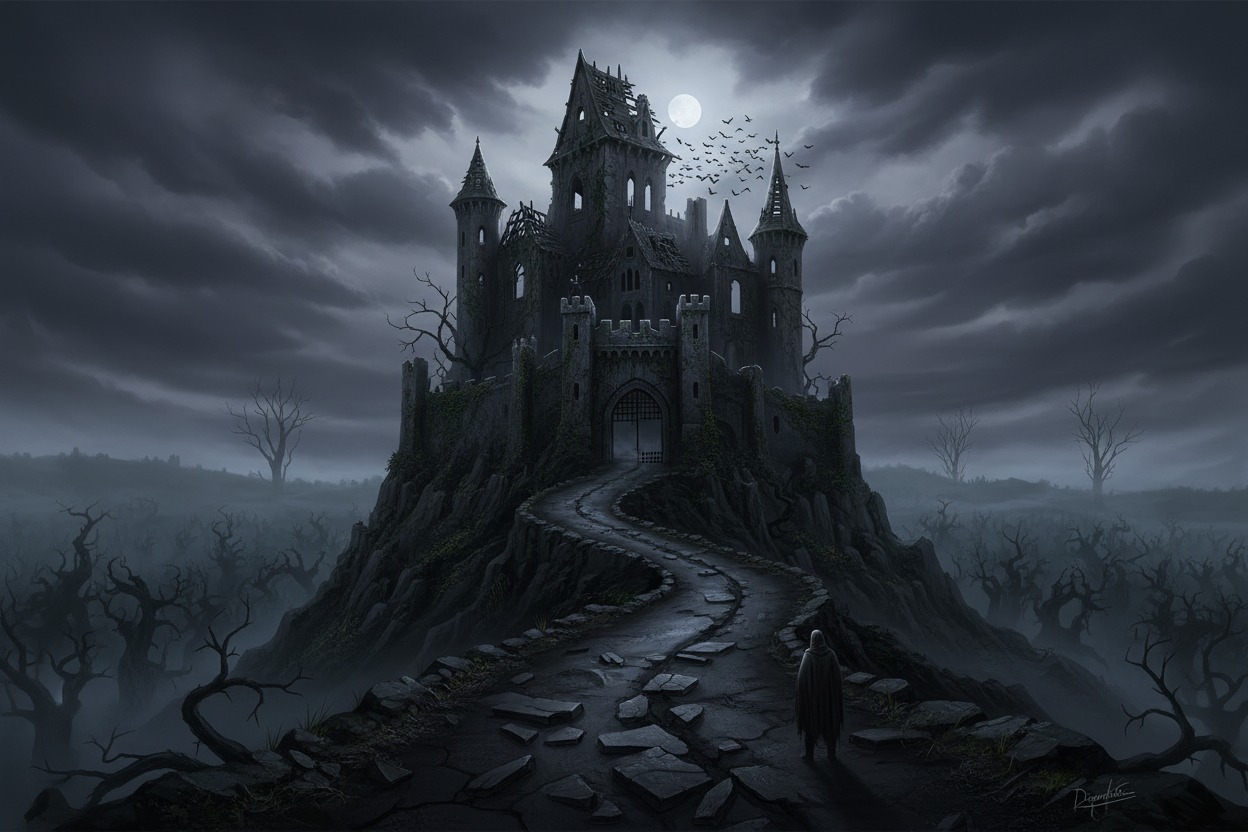
In the late 18th century, a strand of fiction drew intentionally on medieval settings, superstition, and the uncanny. Writers used castles, ruins, storms, and ancestral curses to create atmospheres of dread and wonder. This became the Gothic novel or Gothic fiction.
- Key themes – Isolation, terror, the supernatural, moral ambiguity, and decaying architecture.
- Representative works – Early and influential examples include tales set in castles, monasteries, and other historically resonant places. These works inspired later horror, romantic suspense, and popular media about monsters, ghosts, and haunted houses.
- Legacy – Gothic fiction shaped Victorian ghost stories, Gothic revival architecture, and modern horror cinema.
From literature to fashion and subculture
Centuries later, cultural movements reclaimed Gothic aesthetics for new purposes. The Romantic movement in the late 18th and 19th centuries prized intense feeling, dramatic landscapes, and medieval imagery. By the 20th century, these tastes filtered into visual arts, film, and music. Several strands converged in the post-punk era of the late 1970s and early 1980s to form what is now called goth subculture.
- Musical roots – Bands emerging from post-punk experimented with mood, minor-key melodies, and lyrics about alienation, loss, and nocturnal imagery. Dark, atmospheric bands attracted audiences who embraced the mood as a lifestyle statement.
- Fashion and aesthetics – Victorian mourning dress, romantic dark makeup, and theatrical influences such as cabaret and glam combined into a distinctive look. Black clothing became a powerful shared symbol, but the subculture includes many variations.
- Subgenres and crossovers – Over time goth intersected with metal, electronic music, psychobilly, and industrial sounds, producing styles like gothic metal, cybergoth, gothabilly, and ethereal wave.
The evolution of meaning in one timeline
- 3rd to 6th centuries – Goths appear in historical records as Germanic peoples impacting late Roman politics and migration.
- 12th to 15th centuries – The architectural and artistic style later called Gothic flourishes across Europe.
- 16th century – Renaissance critics apply “Gothic” as an insult for medieval styles.
- Late 18th century – Gothic becomes a literary label for dark, medieval-inspired fiction.
- Late 20th century – Goth emerges as an umbrella term for music, fashion, and subcultural identity.
Common misconceptions and clarifications
Several myths persist about the term goth and those associated with it. Here are corrections to the most common misunderstandings.
Myth: Modern goths are descended from the ancient Goths
This is not historically or biologically accurate. The modern label is cultural and symbolic. It refers to shared aesthetics and values rather than lineage.

Myth: Gothic architecture is gloomy and barbaric
Gothic buildings were designed to inspire awe and to channel light into sacred spaces. The style is sophisticated in engineering and symbolism. The derogatory Renaissance label reflected a specific intellectual bias, not objective quality.
Myth: Goth subculture promotes self-harm, Satanism, or criminal behavior
These are sensationalized stereotypes that do not reflect the diversity of the community. Goths are often reflective, aesthetic-focused, and inward-looking but not inherently dangerous. Many participants emphasize artistic expression, literature, music, and empathy.
How to explore Gothic history and contemporary goth culture responsibly
Whether you want to study Gothic architecture, read Gothic literature, or engage with the goth community, these practical steps help avoid superficial assumptions and encourage respectful curiosity.
- Start with primary landmarks and texts
Visit or read about signature Gothic cathedrals and novels. For architecture, look into the Abbey of Saint Denis, Chartres Cathedral, and Notre-Dame de Paris. For literature, read foundational works that shaped the genre.
- Learn historical context
Read concise histories of late antiquity and the medieval period to understand why critics later called medieval art “Gothic.” Context reduces the risk of misunderstanding or caricature.
- Listen to recommended music with an open mind
Sample a range of bands from early goth rock to contemporary subgenres to see how sound and theme vary. Focus on mood, instrumentation, and lyrical themes rather than stereotypes.
- Respect community norms and boundaries
If entering local scenes or online groups, observe etiquette. Ask before photographing people. Avoid fetishizing grief or mental health struggles.
- Recognize diversity
Goth communities include people of many ages, genders, ethnicities, and political views. Expect differences in style, music preference, and values.

Practical reading and listening starter lists
Below are compact starter lists to explore each major domain associated with the word Gothic.
Architecture and art
- Abbey of Saint Denis – early Gothic innovations
- Chartres Cathedral – famous stained glass and sculpture
- Notre-Dame de Paris – a masterwork of High Gothic
Literature
- Classic Gothic novels and tales that shaped the genre
- Victorian ghost stories and later Gothic-influenced horror
- Modern reinterpretations and neo-Gothic fiction
Music and subculture
- Early goth/post-punk acts to explore for historical perspective
- Representative goth rock, ethereal wave, and gothic metal albums
- Contemporary bands that carry Gothic aesthetics into new genres
Pitfalls and things to watch out for
When studying or participating in anything labeled Gothic, be mindful of these common pitfalls.
- Conflating aesthetic with personal issues – Dark clothing or interest in melancholy art is not an indicator of psychological state.
- Assuming uniformity – The term Gothic covers many distinct practices across centuries and cultures.
- Moral panic – Media narratives sometimes dramatize minority youth cultures. Evaluate sources and prioritize firsthand accounts.
- Historical presentism – Avoid judging medieval art by modern standards of realism; appreciate different aims such as symbolism and instruction.
How the word “Gothic” reflects cultural recycling
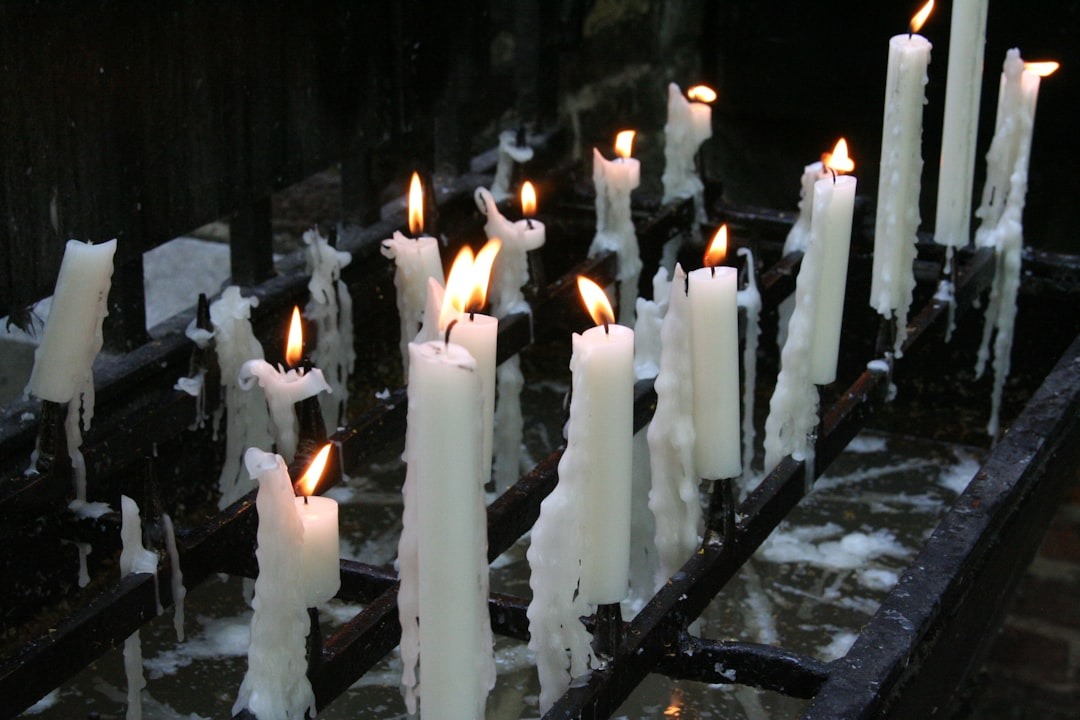
One of the clearest takeaways is that the term Gothic shows how societies reuse the past to make present meanings. The Goths as a people were a distinct historic group. Medieval builders created a style with particular technical and symbolic goals. Renaissance thinkers repurposed the tribe name as an epithet. Romantic writers reclaimed medieval atmospheres to explore emotion and the uncanny. Centuries later, musicians and fashion communities adopted Gothic tropes to express identity and aesthetic preference.
Across these shifts, a pattern emerges: labels can move far from their original referents. The life of the word Gothic is a compact case study in how culture names, criticizes, romanticizes, and eventually reclaims.
Summary and key takeaways
The word goth or Gothic has multiple distinct meanings shaped over centuries:
- Historical Goths – East Germanic tribes active in late antiquity and early medieval Europe.
- Gothic architecture and art – A medieval style emphasizing verticality, light, and ornament.
- Gothic literature – A genre focused on the uncanny, ruins, and intense emotion.
- Goth subculture – A modern identity centered on music, fashion, and shared aesthetics inspired by earlier Gothic themes.
Understanding the term’s layered history clarifies why the same label can evoke barbarians, cathedrals, ghost stories, and nightclub scenes. Each meaning is valid in its context, and together they show how cultural language evolves.

Frequently asked questions
Are modern goths connected to the ancient Gothic tribes?
No. The connection is linguistic and symbolic, not genealogical. The term moved from a historical ethnonym to describe medieval styles and later cultural movements. Modern goth identity arises from music, fashion, and aesthetic preference rather than ancestry.
Why did Renaissance artists use the word Gothic as an insult?
Renaissance thinkers idealized ancient Greek and Roman models. They called medieval art “Gothic” to imply it was a product of barbarian taste that interrupted classical refinement. The term reflected a value judgment about style, not an objective description.
What are defining characteristics of Gothic architecture?
Key features include pointed arches, ribbed vaults, flying buttresses, large stained-glass windows, and an emphasis on vertical lines. These elements allowed higher, lighter interiors with elaborate ornamentation.
How did gothic literature influence modern horror?
Gothic fiction introduced staples such as ruins, psychological terror, supernatural elements, and morally ambiguous characters. Those devices became foundational for many horror narratives in novels and films.
Is goth a single, uniform subculture?
No. Goth includes a wide spectrum of musical styles, fashions, and personal attitudes. Subgenres and local scenes vary widely, from romantic and Victorian-influenced aesthetics to electronic-leaning cybergoth scenes and heavier gothic metal communities.
How can I learn more without relying on stereotypes?
Explore original sources: visit Gothic buildings, read primary Gothic literature, and listen to a range of music labeled goth. Seek academic or well-researched popular introductions and interact respectfully with communities using the label.
Further reading and next steps
For deeper study, combine accessible surveys of European history with focused books on Gothic architecture and literature. For contemporary culture, read scene histories and oral accounts, listen widely, and attend performances or festivals to experience the music and community directly.
Understanding the many lives of the word Gothic offers a small masterclass in how history, aesthetics, and identity interweave. Whether the interest is historical, artistic, or social, there is a rich and varied story behind a single, surprisingly flexible label.