
Morbid Curiosity Explained: Psychology, Fear & Fascination



Morbid curiosity is the tendency to seek out unpleasant, disturbing, or taboo stimuli: graphic images, true crime stories, disasters, medical oddities, or anything that makes us feel anxious, disgusted, or afraid. This interest feels paradoxical; we find pleasure in the very things that repel us. Understanding why we are drawn to the morbid helps explain many common behaviors: why newsfeeds prioritize shocking headlines, why horror movies sell, and why people linger at accident scenes. This article explains the science behind morbid curiosity, common motives, real-world examples, risks, and practical ways to manage or channel it.
Table of Contents
- What is morbid curiosity and why it matters
- How the brain responds to disturbing stimuli
- Six psychological reasons people seek out the morbid
- Common forms of morbid curiosity
- Why media and culture amplify morbid curiosity
- When morbid curiosity becomes harmful
- Practical guidelines: How to manage morbid curiosity
- Using morbid curiosity constructively
- Parenting and children: how to respond
- Common misconceptions
- Pitfalls and ethical issues to watch for
- When to seek help
- Quick practical tips to reduce morbid overconsumption
- Takeaway
- FAQs
Disclaimer: Some links in this article may be affiliate links. If a purchase is made through them, Grim Aesthetic may earn a small commission at no additional cost to the buyer. Recommendations are selected independently based on relevance to the article and brand aesthetic.
What is morbid curiosity and why it matters
Morbid curiosity is more than a taste for the grisly. It is a predictable, measurable human tendency with roots in biology, cognition, and culture. It matters because it shapes media consumption, social behavior, and moral judgment. It can be adaptive by helping us learn about danger and mortality, or harmful when it becomes exploitative, desensitizing, or retraumatizing.
How the brain responds to disturbing stimuli
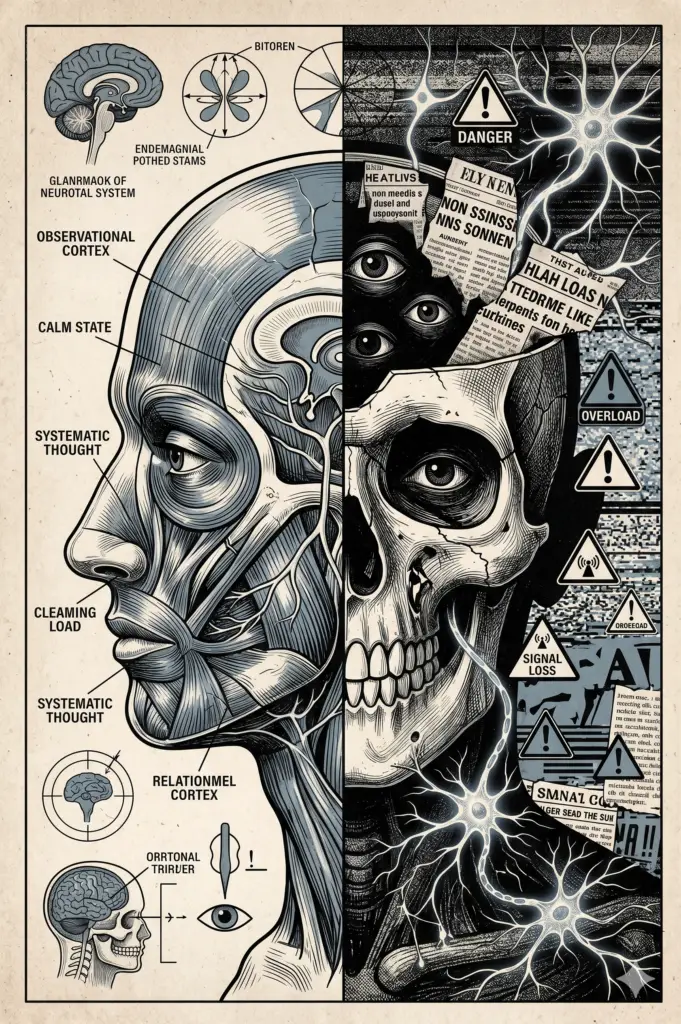
Our reactions to morbid content are driven by the same systems that evolved to keep us alive. Key elements include:
- Heightened attention: Threat-related signals increase arousal and focus. Neurochemicals like norepinephrine prime us to notice detail and remember information that might help avoid danger.
- The seeking system: Dopamine is involved in motivation and exploration, not just pleasure. It fuels the drive to find information, even when the outcome is unpleasant.
- Curiosity versus liking: Wanting and liking are separable. We may strongly seek morbid content without genuinely enjoying it. The search itself can be rewarding.
Put simply, morbid stimuli activate attention and exploratory circuits, making it hard to look away even when we feel distressed.
Readers interested in the neuroscience of fear, attention, and human behavior may enjoy Behave by Robert Sapolsky or Thinking, Fast and Slow by Daniel Kahneman
Six psychological reasons people seek out the morbid
There is no single explanation. Several motives combine to produce morbid curiosity. A simple mnemonic to remember them is: S C A R E S—Seeking, Catharsis, Assessment, Reactance, Empathy, Schadenfreude.
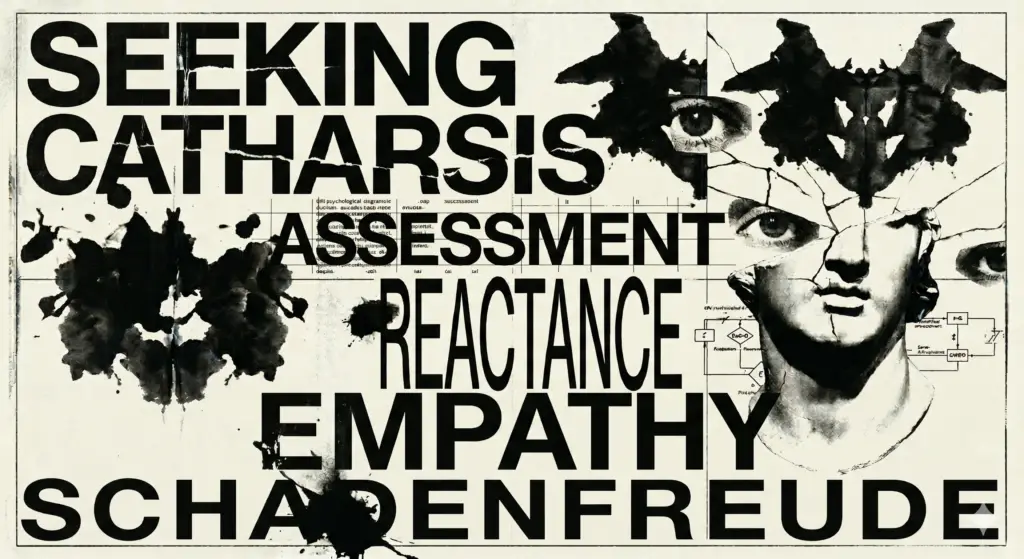
1. Seeking information and uncertainty reduction
Ambiguity and unknown threats are uncomfortable. Learning details about a dangerous event reduces uncertainty and helps us estimate risk. People check crash videos, crime reports, or medical images to answer the question: “Could this happen to me?” That knowledge gives a sense of preparedness and control.
2. Catharsis and emotional practice
Confronting simulated or distant horrors provides a safe space to experience strong emotions and recover from them. Surviving a scary movie or unpleasant story can produce a sense of mastery and emotional regulation. For some this functions like exposure practice that diminishes fear over time.
Some people intentionally seek emotionally difficult fiction as a form of controlled exposure. Psychological horror novels such as The Haunting of Hill House and House of Leaves transform fear into an exploratory experience, allowing readers to examine anxiety, isolation, and uncertainty from a safe distance.
3. Assessment of social norms and morality
Morbid content often prompts moral evaluation. We watch to see who is blamed, who helps, and who is punished. These observations reinforce shared values and let us test whether our moral intuitions align with others’.
Disturbing stories rarely hold attention because of violence alone. More often, they force people to confront uncomfortable questions about morality, instinct, manipulation, and vulnerability. Works such as The Lucifer Effect and The Gift of Fear remain influential because they examine the thin boundary between normalcy, danger, and human behavior under stress.
4. Reactance and taboo allure
When something is forbidden or stigmatized it gains attractiveness. Social prohibitions and warnings about disturbing content can paradoxically increase interest. The effort to suppress or censor information sometimes amplifies its spread and desirability.
5. Empathy and meaning-making
Curiosity about suffering can be motivated by a sincere desire to understand another person’s experience. Imagining what it is like to be someone in crisis can stimulate compassion, existential reflection, and a reassessment of priorities.
6. Schadenfreude and social comparison
We sometimes take comfort in others’ misfortune when it improves our relative status or confirms group superiority. That awkward pleasure can reinforce social bonds among those who share it and temporarily boost self-esteem.
Common forms of morbid curiosity
- True crime and forensic stories: Podcasts, documentaries, and case files that explore criminal acts and investigations.
- Medical and anatomical imagery: Detailed photos of surgeries, pathology, or unusual conditions.
- Disaster and accident footage: Viral videos of crashes, natural disasters, or public confrontations.
- Body-horror entertainment: Horror films and literature that emphasize gore and physical transformation.
- Threat-based challenges: Social media trends that involve dangerous or gross behaviors (spicy food challenges, etc.).
Why media and culture amplify morbid curiosity
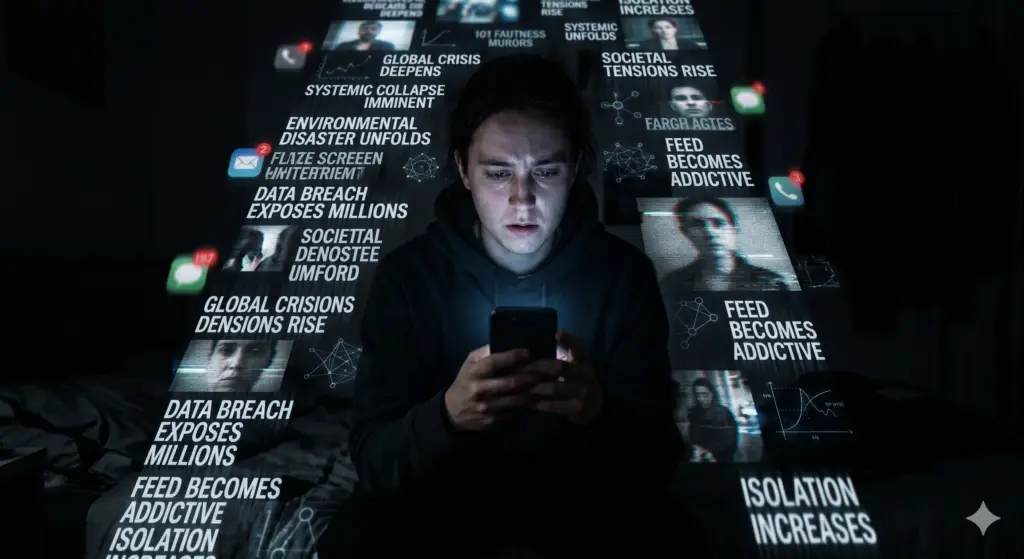
Several structural reasons explain why morbid content saturates media:
- Attention economics: Shocking content attracts clicks, shares, and engagement, which drives algorithms and editorial choices.
- Social signaling: Sharing taboo or extreme material can signal boldness, curiosity, or membership in a subculture.
- Normalization and niche markets: As rare or extreme content becomes accessible, businesses and collectors can monetize it, further fueling demand.
When morbid curiosity becomes harmful

Curiosity is not inherently bad, but certain patterns raise red flags:
- Desensitization: Repeated exposure to graphic material can blunt emotional responses and reduce empathy for real victims.
- Re-traumatization: Survivors or close witnesses may be harmed by repeated viewing of images related to their trauma.
- Exploitation: Consuming or sharing media that violates victims’ dignity (nonconsensual footage, murderabilia) perpetuates harm.
- Misinformation and rumormongering: Graphic but unverified content can spread falsehoods and inflame communities.
When morbid curiosity shifts from fascination into emotional exhaustion, intentional grounding becomes important. Weighted blankets may help create a sense of physical calm after overstimulating media exposure, while CBT workbooks offer structured ways to examine compulsive thought patterns, anxiety triggers, and unhealthy consumption habits.
Practical guidelines: How to manage morbid curiosity
We can acknowledge the impulse without letting it lead to harm. Use this checklist to consume morbid material responsibly.
Responsible consumption checklist
- Ask why: Are we seeking understanding, thrills, or social attention? Clarifying motive reduces impulsive scrolling.
- Check source and consent: Prefer reputable journalism, expert commentary, or medically authorized images. Avoid nonconsensual footage of victims.
- Limit exposure: Use time or content limits. A short read or documentary clip can satisfy curiosity without prolonged immersion.
- Avoid sharing graphic content: Sharing sensational images can retraumatize others and amplify harm. Summaries or trigger warnings help.
- Contextualize: Seek expert explanation from doctors, investigators, or grief professionals to avoid sensationalism.
- Practice empathy: Remember that stories involve real people. Ask what the victim and their loved ones might feel about public exposure.
Creating distance from endless algorithmic consumption often requires deliberate friction. Some people replace late-night scrolling with slower, more intentional alternatives: reading on a Kindle Paperwhite, keeping a journal to document emotional reactions and media habits, or using blue-light filtering glasses to reduce screen fatigue during long periods of digital exposure.
Using morbid curiosity constructively

Morbid content can be channeled into positive outcomes if approached thoughtfully.
In professional settings, controlled exposure to disturbing material is often used to build preparedness rather than fear. Books like When Breath Becomes Air offer deeply human perspectives on mortality, medicine, and meaning-making without reducing suffering to spectacle.
1. Education and safety
Medical students, first responders, and public safety educators use graphic material to build skills and preparedness. When used with consent and supervision, confronting disturbing realities can save lives.
2. Grief and meaning-making
Reading survivor accounts and honest portrayals of loss helps people process mortality and bereavement. Learning about causes, prevention, and recovery can transform curiosity into constructive action.
Morbid curiosity can also become a pathway toward empathy and historical understanding when paired with thoughtful context. Works such as Man’s Search for Meaning remain powerful because they examine suffering, resilience, and psychological survival through reflection rather than sensationalism.
3. Empathy training
Carefully moderated exposure to others’ suffering can broaden perspective and reduce stigma, especially when paired with coaching or discussion.
Exposure to difficult stories can sometimes deepen empathy when approached thoughtfully and with context. Books like The Body Keeps the Score help readers better understand how trauma shapes memory, behavior, emotional regulation, and the long-term human impact of suffering.
Parenting and children: how to respond
Children are often the most sensitive to emotional cues. Parents play a central role in shaping how kids react to scary or gruesome content.
- Model calm reactions: Children look to adults to interpret novelty. If a parent remains composed, a child is less likely to become overly fearful.
- Provide age-appropriate explanations: Use simple, truthful language and avoid graphic detail unless necessary for learning.
- Set boundaries: Use filters, supervision, and clear rules about what is allowed online and why.
- Encourage questions: Let curiosity drive constructive conversation rather than secretive or sensational consumption.
Common misconceptions
- Myth: Liking morbid content means a person enjoys real suffering.
- Fact: Many people are curious without deriving pleasure from others’ pain.
- Myth: All exposure to morbidity is harmful.
- Fact: Controlled exposure can be educational and promote coping.
- Myth: Curiosity equals addiction.
- Fact: Seeking is a normal motivational system; problematic patterns arise with compulsion or neglect of responsibilities.
Pitfalls and ethical issues to watch for

Be mindful of these pitfalls when producing, sharing, or consuming morbid content.
- Voyeurism: Treating suffering as entertainment strips dignity from real people.
- Commercialization: Monetizing victims’ stories without consent can exploit trauma.
- Authenticity: Graphic media is often edited or staged for effect, which can mislead or desensitize.
- Normalization: Constant exposure may shift moral boundaries about what is acceptable to depict publicly.
When to seek help
If curiosity about disturbing content is interfering with daily life, relationships, or emotional well-being, consider professional support. Warning signs include compulsive consumption, sleep disruption, intrusive thoughts, or increasing tolerance that demands more extreme material.
Mental health professionals can help with anxiety, trauma exposure, and compulsive behaviors. Therapies such as cognitive behavioral therapy and exposure therapy may reduce distress and restore healthier habits.
Quick practical tips to reduce morbid overconsumption
- Set a daily limit for news and social media checks.
- Unfollow or mute accounts that frequently post graphic content.
- Replace morbid browsing with a constructive alternative: a podcast, a walk, or a nonfiction book about prevention or recovery. Works like The Unthinkable examine how ordinary people respond to disasters and crises, focusing less on spectacle and more on survival, preparedness, and human resilience.
- Use content filters and safe-search settings on devices.
- Talk with a friend about your reactions instead of scrolling alone.

Takeaway
Morbid curiosity is a multifaceted human tendency shaped by biology, cognition, and culture. It helps us seek out useful information, practice emotional regulation, and test moral frameworks. When handled responsibly it can serve education, empathy, and meaning-making. When unmanaged it risks desensitization, exploitation, and harm. We can keep the benefits and reduce the harms by clarifying motives, prioritizing consent and context, and setting thoughtful boundaries.
FAQs
Is morbid curiosity the same as being a psychopath?
No. Morbid curiosity is common across the population and does not indicate psychopathy. Psychopathy involves a distinct pattern of lack of empathy, impulsivity, and antisocial behavior. Most people who consume morbid media remain empathetic and morally engaged.
Why do I feel guilty for being curious about disturbing things?
Guilt often arises because social norms discourage interest in suffering. That taboo can increase curiosity while simultaneously producing shame. Recognizing the motive (education, preparedness, thrill) helps reduce unnecessary guilt and encourages responsible behavior.
Can morbid curiosity be useful in therapy or learning?
Yes. Controlled exposure to difficult material is a core element of certain therapies and professional training. When guided by experts, confronting disturbing realities can reduce fear, build tolerance, and improve preparedness.
How can I avoid being desensitized?
Limit repeated exposure to graphic content, seek varied sources that include human context and ethical reporting, and engage in activities that foster empathy, such as volunteering or reading first-person accounts with consent.
Is it okay to share shocking news clips on social media?
Exercise caution. Consider the dignity of those involved and the potential impact on others. Prefer sharing verified reporting with context rather than raw, graphic footage. Use trigger warnings and avoid sensationalism.
Recommended Reading
The following books explore fear, trauma, morality, media consumption, psychology, grief, and human behavior in ways that complement the themes discussed throughout this article.
- Behave by Robert Sapolsky
A deep exploration of human behavior, neuroscience, stress, morality, and decision-making. - Thinking, Fast and Slow by Daniel Kahneman
A foundational look at cognition, bias, intuition, and how people process risk and uncertainty. - The Haunting of Hill House by Shirley Jackson
Psychological horror centered on perception, isolation, and emotional instability rather than overt violence. - House of Leaves by Mark Z. Danielewski
A fragmented psychological horror novel exploring obsession, fear, and unreliable perception. - The Lucifer Effect by Philip Zimbardo
An examination of morality, power, social influence, and how ordinary people can commit harmful acts. - The Gift of Fear by Gavin de Becker
A practical and influential book about intuition, threat recognition, and personal safety. - When Breath Becomes Air by Paul Kalanithi
A reflective memoir about mortality, medicine, identity, and meaning. - Man’s Search for Meaning by Viktor Frankl
A classic exploration of suffering, psychological endurance, and purpose under extreme conditions. - The Body Keeps the Score by Bessel van der Kolk
A widely discussed examination of trauma, memory, emotional regulation, and recovery. - The Unthinkable by Amanda Ripley
A nonfiction look at how humans react during disasters, emergencies, and survival situations.
Tools & Alternatives for More Mindful Media Consumption
These products and resources may help reduce overstimulation, encourage intentional media habits, or provide grounding after prolonged exposure to distressing content.
- Kindle Paperwhite
A distraction-reduced alternative to endless scrolling and algorithm-driven feeds. - Guided Journal for Reflection & Media Awareness
Useful for tracking emotional reactions, anxiety triggers, and media habits more intentionally. - Blue-Light Filtering Glasses
May help reduce eye strain and screen fatigue during long periods of digital consumption. - Weighted Blanket
A grounding tool some people find calming after anxiety-provoking or overstimulating media exposure. - CBT Workbook for Anxiety & Thought Patterns
A structured resource for identifying compulsive thought loops, anxiety triggers, and unhealthy behavioral patterns. - Morbid Podcast
A popular true crime and macabre-history podcast exploring disturbing cases through storytelling and commentary.
Disclosure: Some links in this article may be affiliate links. Grim Aesthetic may earn a small commission from qualifying purchases at no additional cost to the reader.