

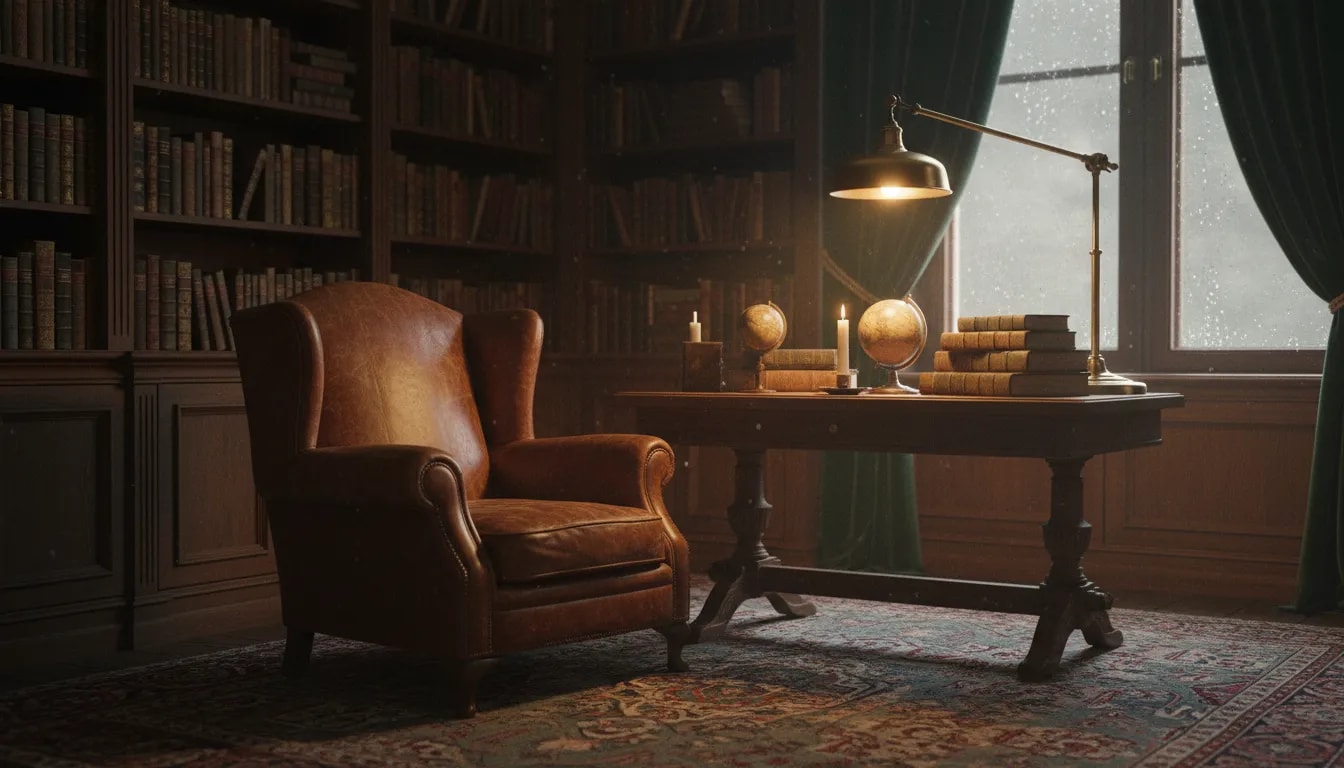
Dark Academia is a decorating approach that favors deep colors, tactile materials, layered lighting, and literary accents to create a cozy, intellectual atmosphere. This guide explains what Dark Academia is, the essential elements you need, room-by-room tips, common mistakes to avoid, and a practical checklist you can follow to achieve the look—whether you own your space or rent.
Affiliate Disclosure: Some articles on this site contain affiliate links. This means that if you choose to make a purchase through certain links, Grim Aesthetic may earn a small commission at no additional cost to you. We only reference products, books, or tools that align with our aesthetic philosophy and values. Commissions support the continued creation of thoughtful, independent content. Thank you for supporting intentional work.
Table of Contents
- What is Dark Academia and who is it for?
- Core elements of Dark Academia
- Lighting: how to keep a dark room inviting
- Wall decor and art
- Accessories: finishing touches that sell the look
- Room-by-room application
- Common mistakes and how to fix them
- 10-step weekend plan to get the Dark Academia look
- Where to source pieces (budget and quality options)
- Maintenance and seasonal adjustments
- Can Dark Academia work in a small or north-facing room?
- How can I get the look on a budget?
- Is Dark Academia the same as Gothic decor?
- What paint sheen should I use for dark walls?
- How do I keep a Dark Academia room from feeling depressing?
- Final takeaways
What is Dark Academia and who is it for?
Dark Academia is a style inspired by classic libraries, old universities, vintage books, and traditional European interiors. It emphasizes mood over minimalism: think moody color palettes, worn leather, carved wood, brass details, Persian rugs, and lots of books. It suits people who want a warm, contemplative environment—ideal for home libraries, studies, cozy bedrooms, and living rooms that feel like a well-read corner of an old college.
Core elements of Dark Academia
To build a convincing Dark Academia space focus on these four pillars: color palette, materials and textures, lighting, and curated accessories. Each pillar contributes to the overall mood; neglecting one will make the room feel incomplete.
Color palette: which shades to choose and where to use them
Dark Academia relies on deep, saturated tones. Use them strategically:
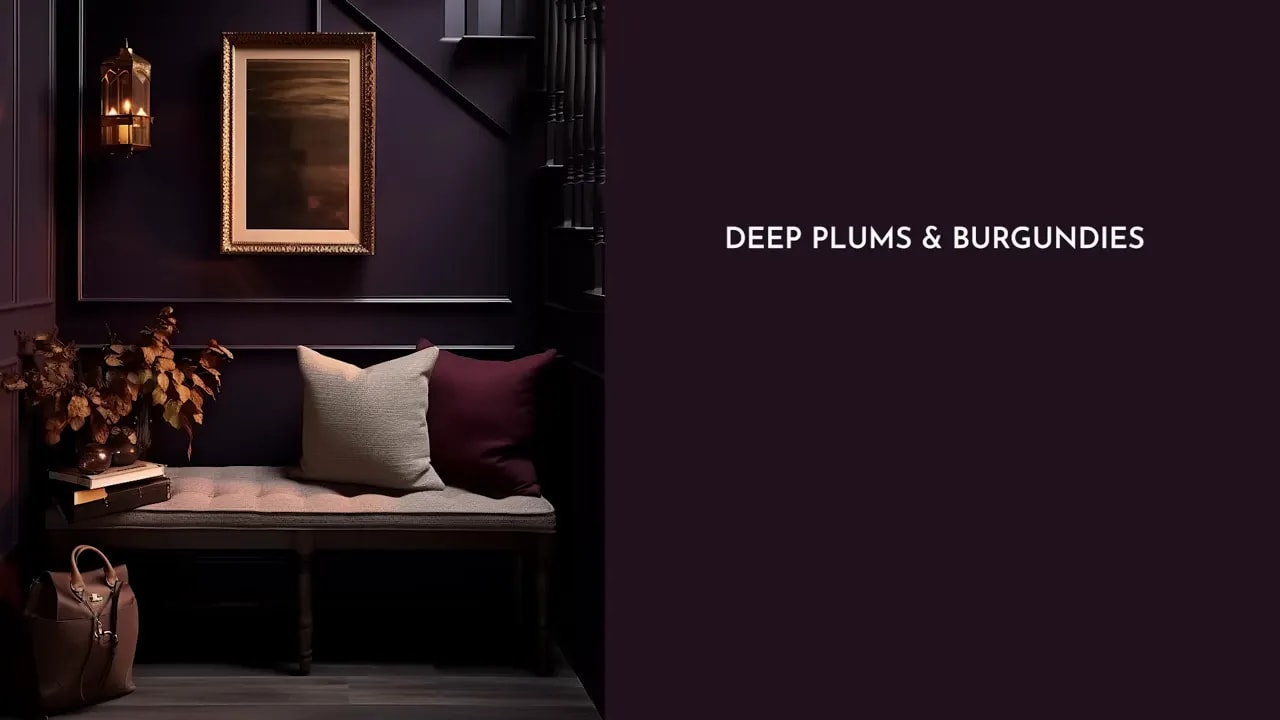
- Primary wall colors: deep plums, burgundies, forest greens, navy blue, charcoal gray, rich browns, or black.
- Accent colors: warm ochre, antique gold, russet, and cream for textiles and art mats.
- Trim and ceiling: painting the ceiling and trim the same dark color can make a room feel enveloping and cohesive.
- If you can’t repaint: use dark curtains, bed linens, statement furniture, and removable wallpaper panels to introduce depth.
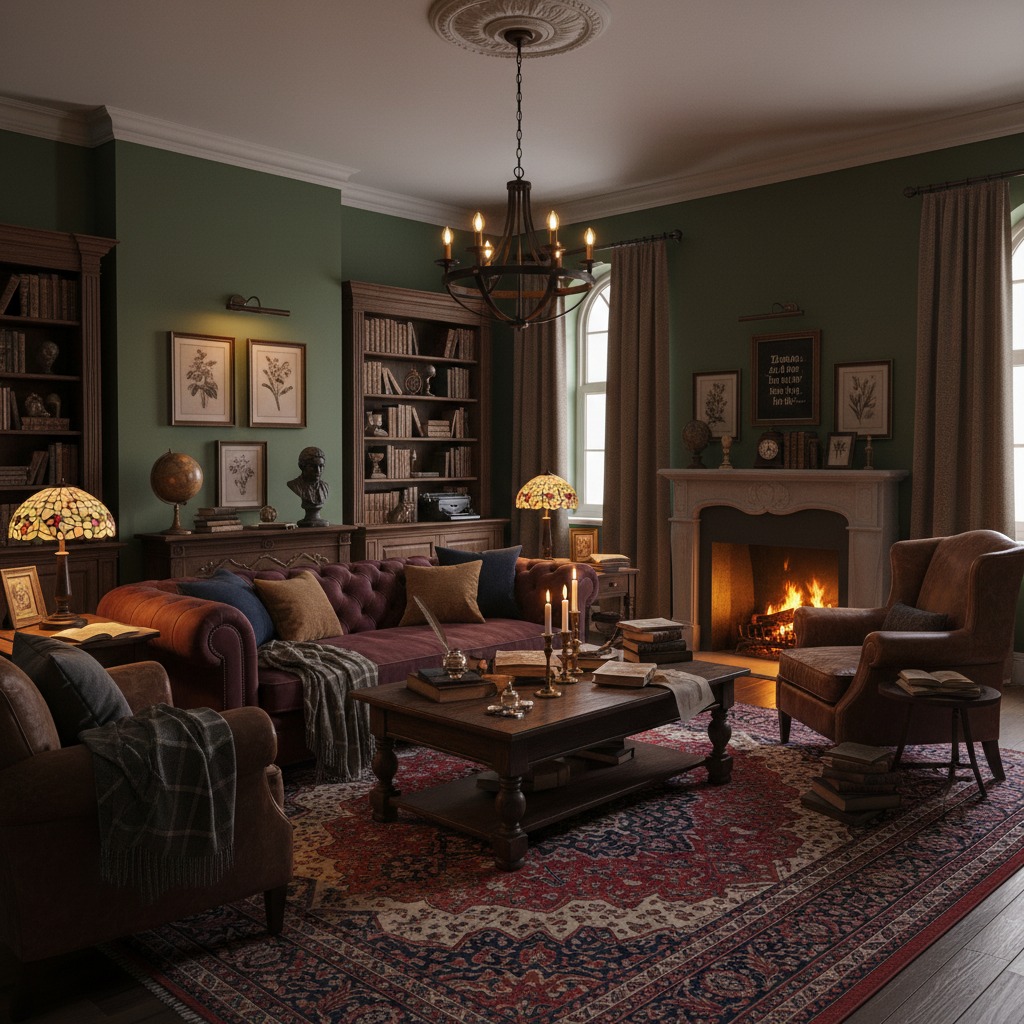
Practical tip: Match a color in a Persian or Oriental rug to a secondary wall tone. Pulling one color through the room ties surfaces together and prevents the space from feeling muddled.
Materials and textures that create depth
Dark Academia is tactile. Use materials that invite touch and age gracefully:
- Velvet: ideal for accent chairs, cushions, or a sofa—its subtle sheen reads luxurious under warm light.
- Leather: vintage leather chairs or ottomans add patina and old-world character.
- Dark-stained wood: bookcases, desks, and carved side tables give structure and warmth.
- Brass and aged metals: lighting fixtures, candlesticks, and hardware are small details that accumulate character.
- Woven textiles and tapestries: add insulation and visual interest on walls or over furniture.
Patterns that belong in a Dark Academia room
Use patterns sparingly to avoid a costume-like appearance. Classic patterns that read intellectual and timeless work best:
- Houndstooth and herringbone for throws or upholstery.
- Subdued plaids and tartans—choose small or muted repeats rather than loud lumberjack checks.
- Dark-on-dark paisley or botanical damask wallpapers.
- Persian or Oriental rugs with intricate, warm motifs to anchor the floor.
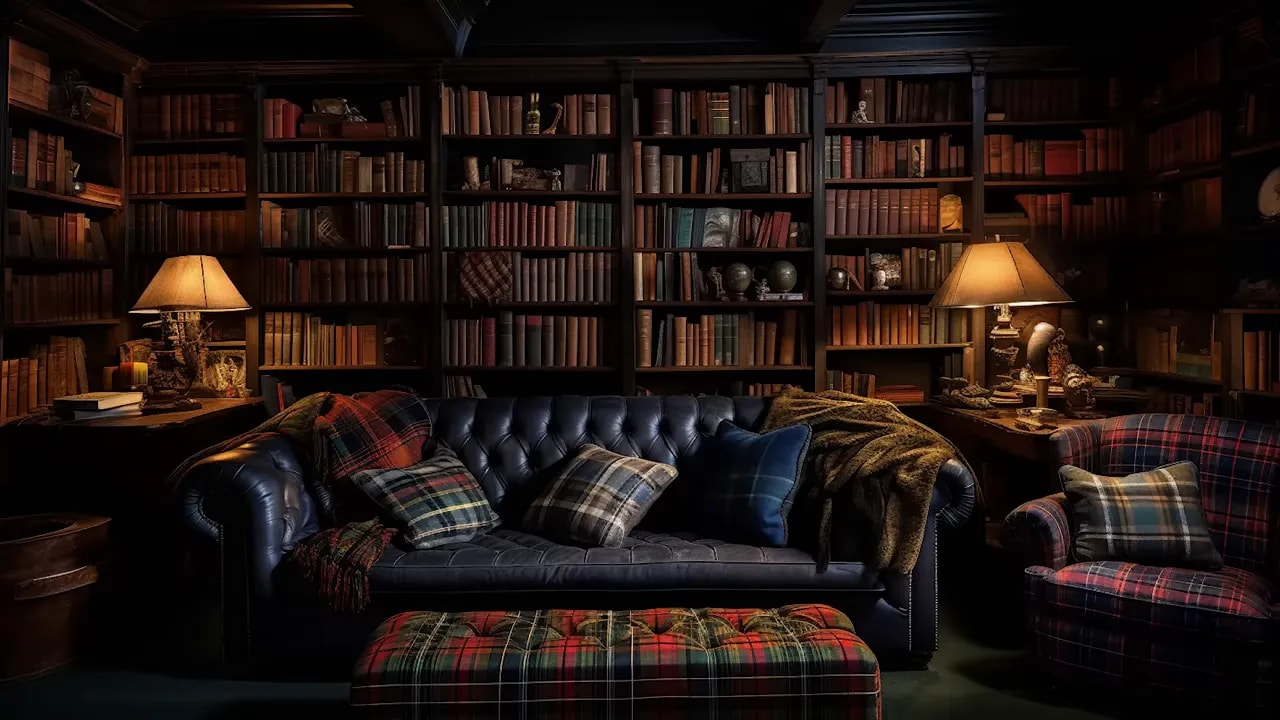
Practical tip: If using patterned wallpaper, consider applying it to a single accent wall or inside bookcase backs to avoid overpowering the room.
Furniture: style, finish, and scale
A Dark Academia interior favors classic silhouettes:
- Statement pieces: a large armchair or a carved wooden desk can anchor the room.
- Vintage or antique: salvaged or thrifted furniture brings authenticity. If budget is limited, shop secondhand or modify existing pieces with darker stain or paint.
- Mix modern sparingly: one or two contemporary items can keep the space from feeling like a period set—but keep finishes complementary.
- Bookcases: floor-to-ceiling or built-in shelves filled with books, boxes, and objects create the layered, maximalist effect central to the style.
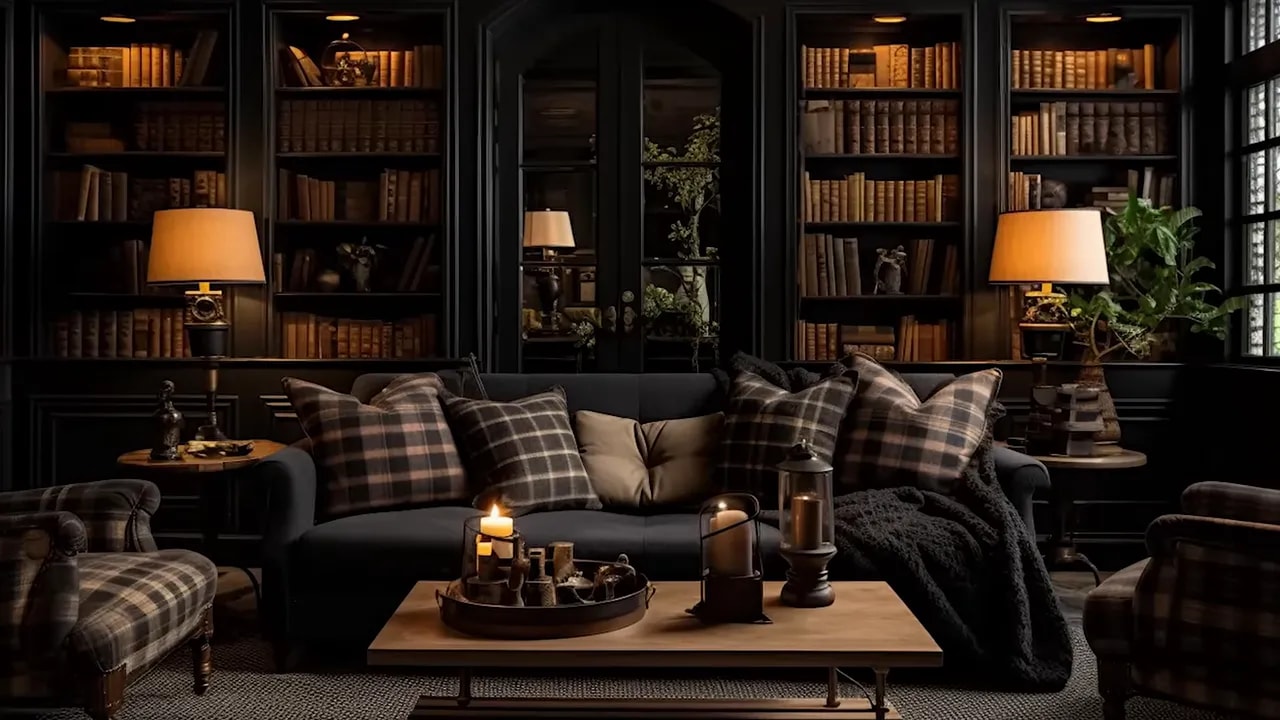
Lighting: how to keep a dark room inviting
Lighting makes or breaks the moody vibe. Aim for layers of warm, diffused light rather than a single bright overhead fixture.
- Warm bulbs: choose bulbs around 2700K to 3000K for a soft, amber tone.
- Table lamps with shades: provide pools of light for reading and soften harsh shadows.
- Wall sconces: add architectural lighting that complements wooden paneling and frames.
- Candles: real or flameless flicker candles create a signature atmosphere. If using real flames, always keep safety supplies like a fire extinguisher nearby.
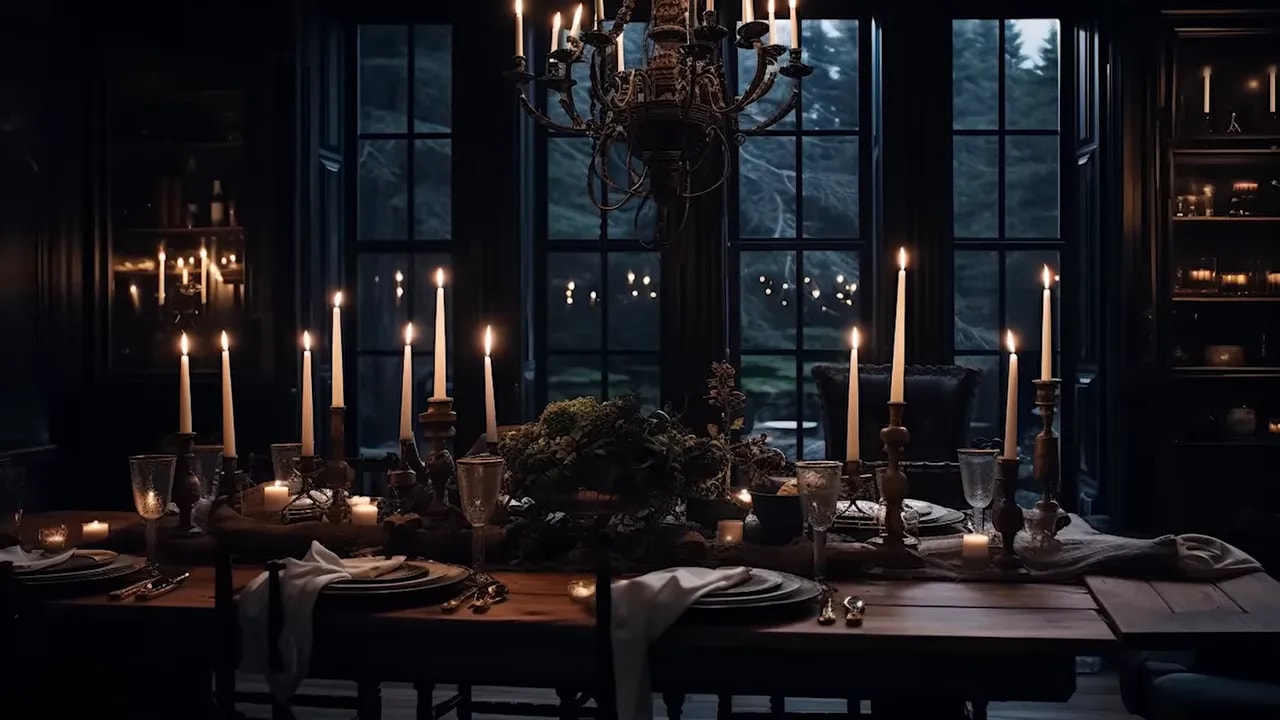
Practical tip: Install dimmers on major lamps and sconces so you can adjust the mood throughout the day.
Wall decor and art
Wall decor is where Dark Academia expresses its personality. Choose images and frames that feel historical, scholarly, and slightly formal.
- Art choices: classical oil portraits, still lifes, landscapes, botanical prints, vintage maps, architectural blueprints, and technical illustrations.
- Frames: chunky, ornate frames in antique gold or dark wood enhance the old-world look—thrift stores are excellent sources.
- Mirrors: large, framed mirrors reflect light and add depth without changing the aesthetic.
- Tapestries: a vintage-style tapestry introduces warmth and can act as insulation on colder walls.
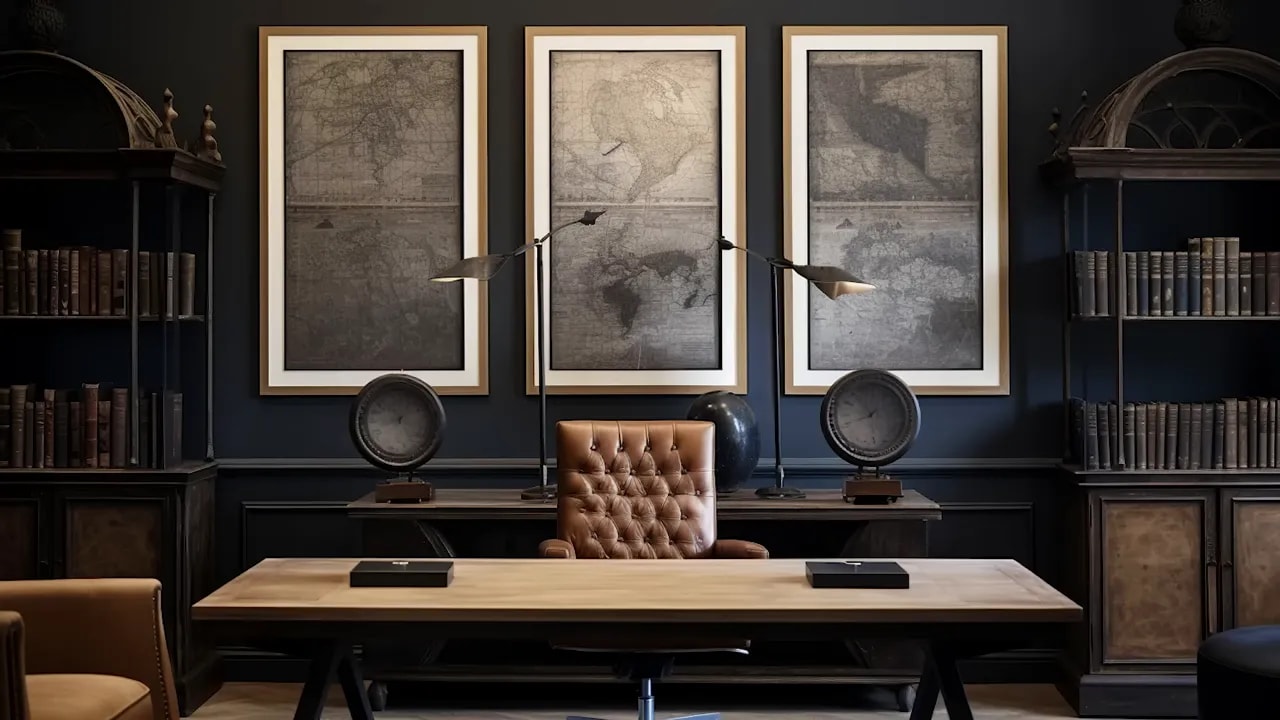
Placement tip: create small vignettes—group a framed map, a brass candlestick, and a stack of books on a wall shelf or mantel to build interest without clutter.
Accessories: finishing touches that sell the look
Accessories transform atmosphere into narrative. Choose objects that look collected over time rather than bought all at once.
- Stacks of worn books, both upright and horizontal.
- Antique globes and brass or wooden maps.
- Classical busts and small sculptures.
- Inkwells, fountain pens, handwritten letters, and typewriters for authentic study vibes.
- Old photographs in sepia tones or vintage frames.
- Mechanical or mantel clocks with visible patina.

Styling tip: follow the 3-2-1 rule when styling surfaces: three objects of varying heights, two smaller items to support, and one focal piece. Repeat this rhythm around the room for cohesion.
Room-by-room application
Living room
- Choose a moody wall color or a dark accent wall behind a bookcase or sofa.
- Add a velvet sofa or two leather armchairs, a Persian rug, and layered lighting.
- Use a large bookcase to display books and objects; intersperse tall candlesticks and framed prints.
Bedroom
- Paint the walls and ceiling a deep tone for an enveloping feeling.
- Use textured bedding—velvet pillows, wool throws—and blackout curtains in dark linen or cotton.
- Place a small writing desk with a green-shaded lamp for a study corner.
Home office or study
- Prioritize ergonomic seating with an antique or dark wood desk.
- Install shelves high to low to maximize storage and visual interest.
- Use task lamps, dimmable overhead light, and a rug to define the workspace and dampen sound.
Small rooms and rentals
- Removable wallpaper, peel-and-stick tiles, or large fabric hangings add texture without permanent changes.
- Introduce dark textiles like curtains and throws to create depth without repainting.
- Use open shelving and stacked books to build a Dark Academia vibe in tight spaces.
Common mistakes and how to fix them
Dark Academia can unintentionally turn heavy or theatrical if executed poorly. Avoid these pitfalls:
- All dark, no light: too much darkness without layered lighting makes a room gloomy. Add warm accent lights and reflective surfaces to balance.
- One-note materials: relying only on wood or only on velvet flattens the design. Mix textures to create dimensionality.
- Clutter without composition: collecting many items can feel chaotic. Curate; keep some negative space and edit regularly.
- Costume decor: avoid novelty items that read like a theme park. Prioritize authentic vintage pieces and well-made reproductions.
- Poor scale: tiny frames on huge walls or oversized furniture in small rooms feel off. Match scale to the room and furniture arrangement.
10-step weekend plan to get the Dark Academia look
- Choose a dominant color and paint a single accent wall (or buy removable wallpaper).
- Swap in warm bulbs and add a table lamp with a fabric shade.
- Layer a rug with an interesting pattern on the floor.
- Add a velvet cushion and a wool throw to an existing chair or sofa.
- Install floating shelves or style existing bookcases with books and boxes.
- Hang one large framed print or a grouped gallery of portraits and maps.
- Place a brass or wooden object as a focal point on a mantel or console.
- Add candles or flameless candles in clusters for instant ambiance.
- Swap out light-colored curtains for dark, heavy drapes or lined curtains.
- Finish with a curated set of small accessories: bust, globe, and vintage clock.
Where to source pieces (budget and quality options)
Look in these places for authentic or budget-friendly items:
- Thrift stores and flea markets: best for frames, wooden furniture, and small sculptures.
- Antique shops: for authentic desks, globes, and clocks.
- Online marketplaces: secondhand sellers often list high-quality pieces at lower price points.
- Affordable retailers: stores that sell velvet cushions, faux candles, and new framed prints are useful when starting out.
- DIY: dark-staining wood, painting frames gold, or reupholstering a thrifted chair can produce authentic results at low cost.
Maintenance and seasonal adjustments
Dark rooms can feel different with the seasons. Keep the room inviting year-round:
- In winter, keep heavier textures and rugs in place; add more candles or a fire source if available.
- In summer, lighten textiles with cream throws and swap to lighter sheets while keeping a dark accent pillow.
- Regularly dust and polish dark wood and frames—dust shows differently on deep finishes.
- Rotate books and accessories occasionally to avoid a static, staged look.
Can Dark Academia work in a small or north-facing room?
Yes. Use layered warm lighting to counteract limited natural light, choose a single dark accent wall rather than painting every surface, and incorporate mirrors and reflective brass to bounce light. Lighter textiles and strategic placement of lamps will keep the space cozy instead of oppressive.
How can I get the look on a budget?
Thrift or secondhand shops, DIY updates like dark staining or painting furniture, inexpensive velvet cushions, peel-and-stick wallpaper, and prints in thrifted frames will create the aesthetic without a large budget. Prioritize a few impactful pieces—bookcases, a statement chair, and layered lighting—and build over time.
Is Dark Academia the same as Gothic decor?
They share overlap but are not identical. Gothic decor emphasizes dramatic architectural details and medieval references. Dark Academia focuses on scholarly, classical references—books, maps, and academic artifacts—combined with a nostalgic European palette. You can blend elements of both, but keep the tone intellectual rather than purely spooky.
What paint sheen should I use for dark walls?
Matte or low-sheen paints help hide imperfections and absorb light for a cozy look. Satin finishes reflect more light and can highlight brush strokes or unevenness. For trim, using the same color in a slightly higher sheen can add a subtle definition without breaking the enveloping effect.
How do I keep a Dark Academia room from feeling depressing?
Balance dark surfaces with warm lighting, textures, and small accents in lighter tones. Include living elements like plants with dark foliage, keep windows unobstructed during the day, and use tactile, inviting fabrics that encourage you to sit and spend time in the room.
Final takeaways
Dark Academia is a mood-driven style built on deep color, tactile materials, curated objects, and layered lighting. You do not need to redecorate an entire house at once—start with paint, lighting, and a few meaningful accessories. Thrift smartly, mix textures, and prioritize warm, adjustable light to keep the space inviting. With thoughtful curation, any room can feel like a quiet study in an old university.